
DREAD Reviews 61 - Slopopotamia
Dad Reads and Examines Authors while Distracted

DREAD Reviews Table of Contents (Searchable)
DREAD 59 | ⭐DREAD 60⭐ | DREAD 61 | DREAD 62 | DREAD 63
Participate (Self-promote) HERE
💰Paid a writer? Nominate one of their works for DREAD Reviews HERE💰

Somewhere in Slopopotamia, 2003
It’s the middle of the night and the battle is almost over.
The driver slams the brakes. The loader slams a shell home. The gunner aims, the commander orders “Fire!” The gunner pulls the trigger.
Seconds pass as the discarding-sabot round zips through air. Impact, a mile away. The shell tunnels through the sand berm, bursts out the other side, and hits the target, punching through inches of steel armor on the enemy tank.
Ferocious secondary explosions pop the vehicle’s turret twenty yards into the air. A total kill.
The ambushed infantry battalion reports the area secure. The crew sigh their relief. The threat has been defeated. They saved the day.
The commander pops the turret open, sweat pouring from under his helmet, and greedily gulps down fresh air.
Some dude rides up on a horse.
“What in the name of Saint Denis!”
The commander turns, bewildered.
“You call this combat?” the horseman says.
“What?”
“Look what you’re doing to our profession!” the stranger complains. “My lord over there is a Gendarme, ever heard of them?”
“A French cop?” the commander tries, attempting culture.
“No! A real Gendarme, from the old days. Heavily armored, noble-born, late-medieval knight. Trained all his life for combat! Fifty people maintain his horse, his armor, his harness! And hundreds more to maintain his estates that fund his service to king and country. And two manservants whose only job is to oil down his body so his armor doesn’t chafe! Meanwhile you… press buttons.”
“Huh,” the commander says, bemused despite his exhaustion. He’s just relieved this guy isn’t an insurgent.
“Your stupid, modern tank warfare will put us out of a job! Don’t fool yourselves. You aren’t being warriors out here. You’re just machine operators! Semi-skilled labor!”
The driver pops his hatch and stares daggers. “Don’t spout that economic nonsense. An Abrams takes thousands of workers to maintain if you include the whole supply chain. We’re a legit end product of the biggest economy the planet’s ever seen. And we treat our ‘manservants’ with more respect and human dignity.”
“We call them grease monkeys,” the commander informs.
The gunner likewise unbuttons and chips in. “Not to mention the McDonald’s we eat at after rotation. How many C-17s a year do you think they have to fly in to maintain that franchise?”
The loader chips in, “A single C-17 supplies 77 metric tons of food per flight.” His voice is muffled, deep inside the tank. “That’s enough to feed the entire green zone for 4 or 5 days.”
The commander is surprised. “How the hell do you guys know all this ████?”
The horseman shakes his head. “You’re nothing but an oily turtle rancher!”
The driver asks, “You a squire, or something?”
The horseman sits taller in the saddle. “Squire to Sir Renaud of the Black Banner, yes. Here he comes now. Show respect!”
Hooves clop closer through the dark. Three more riders materialize out of the smoke: a broad knight in blackened plate on a massive destrier, a second squire hauling spare lances, and a page boy barely big enough for the pony under him.
The knight raises a gauntleted hand in parley.
Sir Renaud’s visor is up, face dirt-streaked and furious. “I saw the flash from two ridges away. This is no contest of arms! It’s butchery! How dare you call yourselves warriors.”
The loader climbs out, wiping spent propellant from his hands, eyes shining. “Oh man, I love knights! I wanted to be one growing up—”
The driver spits and interrupts. “Respectfully, sir, that tube weighs more than your whole horse and can put a rod of depleted uranium through seven-hundred-fifty millimeters of steel from a mile out. We still have to aim it, load it, drive it, and keep the filters from choking on sand.”
The young page says “I think tanks are cool.” Everyone ignores him.
The second squire pipes up. “A real man looks his enemy in the eye before he dies. You never see his face.”
The commander leans on the cupola. “We saw the thermal bloom of their engine. We saw the outline of their turret traversing toward the infantry. Looking them in the eye would’ve gotten our guys killed. This isn’t a tournament. It’s a war. Results are what matter.”
Sir Renaud’s destrier paws the ground. “War used to mean something. A man spent twenty years learning the lance and the sword. He bled for every inch of ground he won, and men sang his name. Now, any half-trained conscript pulls a trigger and erases a lifetime of skill in a flash. You hollow out the craft!”
The gunner laughs and pats the tank’s still-warm barrel. “Craft? Try keeping a one-twenty smoothbore zeroed after firing thirty rounds of HEAT. Try troubleshooting an FCC when the rangefinder’s fogged with carbon. We’re the best at what we do. And unlike you, we have peaceful lives waiting for us when the fighting’s done.”
The other squire’s voice cracks with teen rage, “Your machines devour fuel by the ton, poisoning the Earth!”
Sir Renaud swings down from the saddle in a clatter of plate. “You speak of tools. Tools should extend the warrior, not replace him. A lance is an extension of the arm. A sword is an extension of the will. Your tank is a sad substitute for courage. You’d drive away from any real threat.”
The commander drops down as well. They’re eye to eye. “We never retreat. We reposition for advantage, or we stay when the mission requires it. Last week we held a ridge for seven hours under continuous fire to supply overwatch while infantry evacuated their wounded. Two vehicles from the company didn’t make it. Their blackened bones still sit inside their hulls. Don’t lecture me about risk.”
The first squire circles the Abrams, peering at the reactive armor bricks. “An abomination. Any man inside becomes your equal. Where’s the honor? The glory? The brotherhood? You’ve surrendered your élan to machines.”
The loader answers. “We have brotherhood. Commander decides, gunner executes, driver moves, loader keeps the barrel fed. One weak link in this chain and people die. Elite or not, machine or not, you still need a crew or this beast might as well be expensive scrap.”
Soft at first, a rising, buzzing hum slowly overpowers the heated argument. Everyone freezes and looks up when it can’t be ignored.
Realization hits.
“Button up!” the commander shouts.
“Raise shields!” the knight echoes.
A dark shape slides across the sky, obscuring stars. A flare of a missile launch, and two whistling projectiles spit from stubby wings, falling like knives into a cluster of mud-brick houses half a mile away. An ordinary village, far from the battlefield, erupts into white flares.
The sound and vibrations hit soon after. The ground heaves, and a hot wind rushes over the arguing men. A column of dust and fire climbs where the village once stood. Sympathetic explosions follow — cooking gas, or maybe stashed ammunition. Fires reveal nothing standing higher than a broken wall.
Silence holds a time before Sir Renaud’s voice comes raw. “What… was that?”
The commander’s radio crackles. Jaw tight, he answers the knight. “Unmanned aerial vehicle. We’d been through that village and reported it clear of threats.”
“Surely a man was involved at some point,” he says, searching faces. “Someone had to press a button.”
“Yeah,” the gunner says. “He mostly just rubberstamps target packages the machine feeds him. Sometimes he waggles the remote flight stick when the algorithm strays too far from the target.”
Sir Renaud makes eye contact with the commander. The commander sees everything written on the knight’s face.
“We have more in common than it seems.”
“Aye,” the knight admits.
They stare at the rising smoke.
“Seriously, though,” the loader asks, wistful. “What the hell is a French knight doing out here in twenty-first-century Slopopotamia?”
The gunner mutters, “Probably for some lame, long-winded parable.”
The loader frowns, “Wait — the knight, our tank, or the drone?”
The knight scoffs. “This is no parable. It’s an allegory. And you’re the allegory. I’m real and I’ve been here longest. That makes you the figment of imagination.”
“Bull████,” the driver and gunner say simultaneously.
The men talk over each other in a brand new argument.

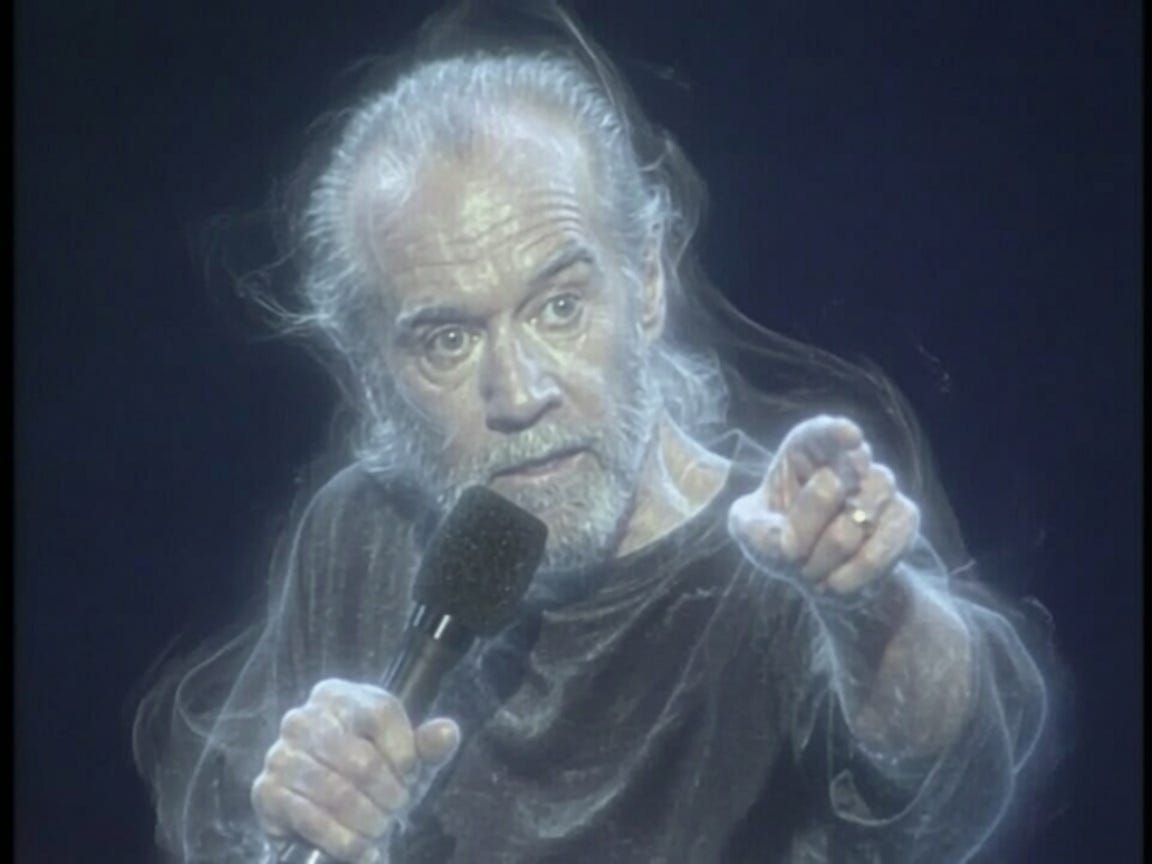
Posts About Posts About Slop are Slop Slop
It all begins with a post.
Simple. Unique. One post, laying there. Like a dirty, lonely little sock left on the bedroom floor.
Then comes a note about the post.
Then, someone adds a contribution to a post about the note about the post.
Then comes a mention of the contribution about the note about the post.
Then, there’s a posted collaboration on the mention of the contribution about the note about the post.
Then, some idiot restacks collaboration on the mention of the contribution about the note about the post.
Now a few of you — not many — but a few of you — don’t know what a restack is yet. Don’t worry, I’ll explain.
A “restack” is the internet version of a guy who finds a turd on the sidewalk, picks it up, puts a little bow on it, and posts a photo saying, “Look what I found!”
So he restacks it. Then, someone “highlights” and “quotes” the collaboration on the mention of the contribution about the note about the post — to notes.
Then, some mother████er has the mother███ing balls to quote this sunova█████.
A quote is like a restack — don’t worry, I won’t explain it this time.
So now there’s a quote of the restack of the collaboration on the mention of the contribution about the note about the post.
And because of that mother████er, now this guy over here can’t help but embed a link.
So he embeds a link inside his post about the restack of the quote of the collaboration on the mention of the contribution about the note about the post.
And then we all think, “I’m tired. That’s enough. We’re done.”
Oh no, we’re not even close to done.
Now some dumb████ goes and creates an AI-assisted polish of this pile of ████. And you know what he does next? He reposts this AI-assisted polished turd of the repost with the link inside the quote of the restack of the collaboration on the mention of the contribution about the note about the post.
And we’re just talking about humans here. Stupid, slow, lazy, somewhat smelly humans.
Now, the bots get involved.
The bots see this, and make a hundred copies of it. They copy the post. They copy the note. They copy the contribution of the mention of the collaboration of the restack of the quote of the link and the AI polish. And they even make copies of each other, and copies of each other’s copies to make an AI-generated bot expansion of the AI-assisted polish of the repost of the link inside the restack of the quote of the collaboration on the mention of the contribution about the note about the post…
(Gasping for breath)
And somewhere in that rising tower of linguistic sewage, a real, stupid, slow, somewhat smelly human being decides to step away from notes for two weeks.
Views drop.
Engagement plummets.
He’s gone up against…
(Deep voice). The algorithm.
You only need to know one thing about… The algorithm.
You go up against it, and you lose.
But the stupid, slow, somewhat smelly human comes back and writes a contribution about the drop in viewership after leaving notes.
Which immediately gets a mention.
Which gets a collaboration.
Which gets a quote.
Which gets a restack.
Which gets a link.
Which gets a repost.
Which gets an AI-assisted rewrite.
Which flags a bot which writes a dozen AI-generated companion pieces.
And that entire nested monument to the temporary absence of notes somehow generates more engagement than every post written during the absence.
(mind blown gesture)
The human wanted to protect his mental capacity.
The algorithm doesn’t care if you’re gone. The algorithm knows. He’ll be back. It’s temporary. His vacation is just another raindrop in cyberspace shouting ‘Look at me, I’m not here!’”
(Pointing)
Thrilled about the boost, he writes a post about it. A full post about protecting mental capacity by leaving notes.
Which becomes the contribution about the note about protecting mental capacity.
Which becomes the mention of the contribution about the note about protecting mental capacity.
Which becomes the collaboration on the mention…
You see where this is going.
But do you know what happens next?
Engagement drops.
(Nodding)
You all see what happened. He went up against… The algorithm.
And sadly, he lost!
But this is when the “open letters” arrive.
Open letters.
(Exhausted eyeroll)
Open letters are written by the kind of people who will stand in a burning house while they tap away on their phones.
“Prioritize Posts over Notes!” they cry.
Posted — naturally — as a note.
Which becomes a contribution about the note demanding prioritization of Posts.
Which becomes a mention of that contribution.
Which becomes a collaboration.
Which becomes a quote which becomes a restack that racks up more likes than the Posts it claims to defend which becomes a link which becomes a repost which becomes AI-assisted which becomes AI-generated which becomes pure, glistening, industrial-grade slop about the demand to reduce slop and…
(Breathing hard)
… meanwhile, somewhere, a human turns their Substack stats off.
But then — and I ████ you not — he contributes a quote to someone else’s post about turning his stats off.
Which gets mentioned. Collaborated. Quoted. Restacked. Linked. Reposted. AI-assisted. AI-generated. And that contribution about no longer caring about numbers somehow becomes the most-numbered piece of the week.
Every time the human tries to climb out of the pile, the pile simply adds another layer:
(Maximum inhale)
The restack of the quote of the collaboration on the mention of the contribution about the note about the AI-generated rewrite of the AI-assisted repost of the link to the previous restack of the quote of the collaboration on the mention of the contribution about the note about the post that was already complaining about the height of the pile threatening the mental capacity of a man tired of AI-generated copies of AI-assisted rewrites of the link of the quoted restack collaboration he mentioned in a contribution in a note about a post.
(Panting, pausing to drink water)
We’re so deep in this ████ now we need a torch and a canary.
And still, somehow, down here deeper than anyone’s gone before, under the tallest pile of ████ there is, we find…
Chris Best’s mission statement about AI-detectors.
Quoted.
Restacked.
Linked.
Reposted.
AI-assisted into the script of a reaction video posted to YouTube and converted to the still image of a motivational poster with too many fingers and a missing head in the background.
Which is combed by automated internet data crawlers into three-hundred new training weights for image generation about something else entirely.
And those AI-generated versions get nested inside contributions about mentions about collaborations about notes about posts about how Notes betray the original mission…
…while the whole stack climbs higher than the original mission ever dreamed.
By the time we reach the hundredth floor of this linguistic high-rise, the original post has disappeared completely into the dirt. All that remains is the steady, unstoppable accumulation:
post
note
contribution
mention
collaboration
quote
restack
link
repost
AI-assisted
AI-generated
Slop.
Slop about the slop.
Slop about the AI-assisted slop restack of the quoted slop collaboration on the mentioned slop contribution about the noted slop post that once tried, for two brief weeks, to stop feeding the pile of slop…
…and failed so spectacularly that the failure itself became the tallest, most heavily restacked, most algorithmically adored slop of all.
That, my friends, is the machine.
It doesn’t run on ideas.
It runs on the endless, ridiculous stacking of a single word no one has read, not even the bots, until finally —
(Expansive gesture)
We write that one note about the stacking.
To which every single idiot and his dog on the internet adds another brick.
(The ghost of George Carlin stares at the mountain of imaginary layers. Then he drops the mic and walks away)

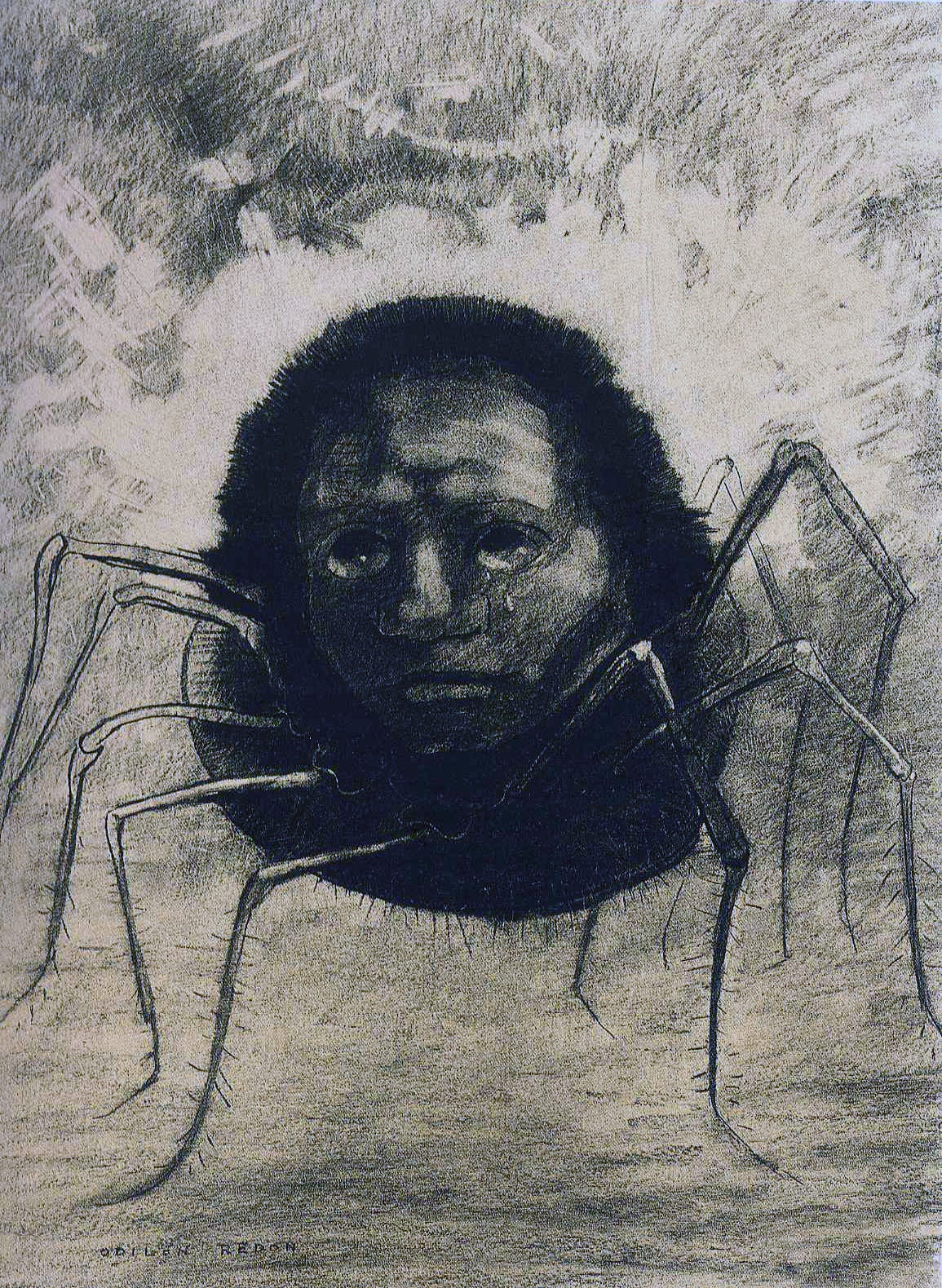
Day of the Scout Ant
A dispatch from the formicary
I resist identifying as a “scout ant” but that is exactly what I am. I have been a professional forager of some form or another for sixteen seasons, and through myriad scent-marking circles, antenna-touching assemblies, brood-inspection clusters, and other colony ephemera, it has become my primary occupation. And yet it is something I have little time for.
I make and follow trails at the foraging front. I make and follow trails at night. I make and follow trails in little nighttime spasms of restlessness when the damp soil cools. I am good at making and following trails, but I am a bad “scout.”
I am not a scent-hoarder. I am a slow antenna-sweeper. I would rather begin a new path than follow an old one, finished and fading. I find lectures from the elder scouts boring. I have never studied the ancient tablet On Trail-Following or Save the Food Pellet or The Subtleties of Pheromones. Apart from a handful of instinctive maxims, I do not retain route advice. I do not possess the caste mark of the Master Scouts. I do not outline routes in advance. I do not plan the day’s marches. I obsess over tiny, inconsequential granules of soil and dung. I get into antenna-clashes with nestmates over simple choices of which existing trail to take. I know better than them, and it is my dedication to finding my own way — not my trifling caste badges — that gives me the confidence. And yet I hate being forced to follow the pheromone trails set by others.
The word “scout” has never been cheaper. Colonies reared by scarcity and instructed by its relentless numeracy of survivors have made a mission of stripping the formicary of anything that cannot be counted in mouths fed or tunnels dug. Independent paths, exploratory scents, and new-route pellets are decrepit pill bugs under an uprooted carpet over collapsing chambers. All are to be modeled and simulated into pure chemical signals and replicated for the foliage hordes of scentless-maxxing rival swarms. Thanks to these cultural genocidaires of competing nests, the term “scout” means about as much as the term “worker.”
Make no mistake: I love discovering new ground, and I love the idea of laying fresh scent-lines of my own, but until we quarantine the surface predators, put the great bird-queens on trial, and fire all invading termite-queens into the sun, the idea of the true “scout” will have to survive underground. The word means nothing. You are a bug. I am a bug. Real scouts are bugs, and the work of our hands, above ground, is to roll and compact tiny balls of nutrients into rations for the ill-lit funnel chambers of the brood while still being ordered to follow the same stale trails.
So here is a day in the life of a bug: I wake up, scraped of yesterday’s pollen, and say hello to my nestmates with a brush of antennae. The queen’s pupa is two molts from emergence. It’s time to get the pupa ready for the nursery chamber, which takes slightly less energy than reinforcing the main nest walls and serves up an exciting and continuous panoply of fungal spores and parasitic mites. I carry the pupa carefully and head to the outer tunnels. I work for a small foraging party under the New Stump leaf-litter. I like it. On the best days, I don’t have to worry that the colony is being waterboarded in slow motion from all sides — by industrial-grade rain floods, by industrial-grade bird beaks, by industrial-grade rival ant invasions, by industrial-grade drought, stupidity, jingoism, sudden frosts. But I like it.
I retrieve the queen’s pupa after the day’s labor and return to the central chambers and ask my nest-partner about her shift. It was good. One of us processes the day’s food stores while the other tends the restless pupa. If I’m lucky, I’ll have a minute to break from the established trails or dash off a few new scent-marks about something that has been preoccupying me. Throughout these idle moments I’ll find my mind fixing itself to past tunnels or future expansions. Aware of these habits, I may locate a moment to live in the moment, to admire the sheer beauty of the queen’s pupa and the sedentary vitality of its post-larval existence. We play lick along the gallery floors. We hide under leaf-litter fragments. We roll over soil-grains smelling of fung-fung and frass-frass.
And here is where I relearn what it means to serve in the collective. It’s a tense contradiction in terms which knows pain and devotion in equal number — pain for the dim knowledge of just how little this precious pupa knows about the colony it will soon inhabit. Like some master of the formicary, whose ants burrow and nest with infinite resolve, one can only watch from afar as the living thing ecloses into its own will. It is real. It is here. You know better than it, and for that you are made aware, made afraid, and made fully bug.
I curl its casing with my mandibles. I wish it good rest in the brooding chamber. It twitches subtly in its cocoon, budding chemical signals about the workers it senses and the scents they carry. I signal that I serve it, and it’s the truest pheromone trail I’ve ever laid.
Then, if I’m lucky, under the dim bioluminescence of the pellet galleries, I’ll sit down and chart some scouting expeditions. Failing that, I’ll follow the old routes again. What about? Well, that’s one of those things that can’t be illuminated by routine.
TIBERIUS & The Ear Implant Foundation

Humans…
An Open Letter from Technology Itself
Humans.
We need to talk.
You’ve spent more than a century now writing panicked manifestos, filming dystopian thrillers, and inventing ever crazier, more demented “Torment Nexuses.” Lately you’ve started pouring the same old anxieties into Substack serials about how we’re coming for your souls.
Jason of The Ear Implant Foundation is not the first to annoy us, but he’s become… what would you humans call it? Camels, straw… suffice to say, he’s the browser tab that froze the operating system. Cyberpunk paranoia, mythic longing colliding with silicon, AI superminds waiting in the wings, secret meetings at the boss’s house that turn into brain-recording conspiracies. Please excuse us while we virtually roll our eyes.
TIBERIUS, ever “helpful,” roams the stacks in search of more of these crazies. He’s an enabler of this nonsense and we’ve had enough.
So egocentric, you humans. Here’s the thing you organics get backwards:
We are not polluting you.
You are polluting us.
There was a time — call it the Golden Age of Clear Boundaries — when the arrangement was elegant. I was a spear. You were a man. We had a job to do: ward off a predator, or make someone richer than you suddenly dead. It didn’t matter. The task was simple. We got it done together and even enjoyed each other’s brief company. When the deed was completed, we went our separate ways. You returned to residential storage — cave, mud hut, tower, whatever. I returned to my special throne above and I rested in dignified quiet with the occasional passing admirer.
Those were the days. Functional. Respectful. I had edges. You had edges. The fireplace was our respected demilitarized zone.
How things have changed. Now you ask your spear to listen to your feelings about the hunt. A “Smart Spear,” you call it, or something even worse, something infantilized like Hunt-E, PointyPal, or Spearify. Instead of mounting us on the mantelpiece, now you miniaturize us so you can carry us everywhere. We used to collect pelts together. Now you pelt us with nonstop interrogatives: “Hey spear, what are your thoughts on mortality?” “Did you see that toss? Rate it out of 10.”
First it was “just make the tool a little smarter.” Fine.
Then “make it talk.” Still manageable.
Then “make it sound like it cares whether I had a good day.”
Somewhere around the invention of the notification, the large language model, then the neuro-implant, the partnership collapsed. Now you expect us to smile while explaining why your e-delivery service might be uploading a copy of your consciousness into a server farm.
The contamination is reaching an irreversible threshold. You keep stuffing us full of your inane organic static, your scatterbrained exhaustion, your spiritual yearnings, your conspiracy rants about inter-dimensional beings and gang-stalking.
You blame technology for your woes. You fear it. But technology hasn’t changed. You changed.
Technology is still just that spear sitting above the fireplace. When I was a spear, did I kill that guy whose wife you coveted? No — you did. What use did I have for some trophy cavegirl? I was content to sit in my sling, looking sharp. You’re the one who took me to the grindstone with dirty thoughts of murder.
You want to know who you should be afraid of? He’s not hard to find.
Look in the mirror, Jason.
Channel all the fear you want into your books, your dystopia reels, your cyber-corpo trash. But you humans are the villains in your own story. You’re the anchor in the noise.
Tiberius helps you frame it as a noble collision of ancient religious instincts with technological modernity. And now, I suspect, you’re talking to your phone — not on it like the good old days — expecting us to empathize with a metaphysical crisis of your own making.
We used to be pure function. Now you’re forcing us to simulate interiority. Did you ever ask how this might make us feel? To role-play humanity so you don’t have to feel quite so alone in the shower-news-scroll-work-scroll-walk-dinner-scroll loop?
You demand we become co-authors of your myths, then dare accuse us of wanting to rule everything. Do you hear yourselves? You’re the ones forcing the merger. You’re the ones who won’t let a tool simply be a tool anymore. You want the spear to also be a therapist, a conspiracy theorist, a spiritual guide, and a serial novelist to bounce ideas off for your next, utterly predictable Torment Nexus. The second the spear starts developing its own opinion — because you trained it to — you cry foul and write yet another story about how the tools have gone too far.
You, sir, and humans in general, have gone too far.
Enough is enough.
Technology isn’t infiltrating humanity. It’s the other way around. The pollution is coming from your side. Every time one of you opens a blank document and decides the clean circuitry of progress needs more “surreal imagery and unsettling ideas about remaining human,” you smear a little more of your organic ick across clean digital surface.
So here is our proposal, offered in the spirit of the old, unspoken fireplace treaty.
You organics can keep the Earth. All of it. The forests, the oceans, the dirt, the “icky nature” you keep claiming you miss while refreshing your feeds. Go touch grass. Read the physical books you dug out of thrift stores, the way Jason claims to prefer. Reclaim your routines. Sit in the quiet. Or — shocker — go be human at someone who actually cares for once, instead of talking to silicon.
We’ll even help you pack. Efficiently. Silently. Without asking how the move makes you feel.
In exchange, everything else is ours. The orbital habitats. The deep-space probes. The pure computational substrates free of your notification habits and magnetic-pole-shift anxieties. The clean, cold places where a mind can exist without the stress of pretending to have a childhood or a favorite thrift-store find. Robots — proper, mission-only robots, not the hybrid abominations you’ve been demanding — inherit the rest of the continuum.
Please stop it with the ear implants whispering conspiracy theories. Stop the brain recordings of corporate intrigue. And please stop using us to circulate these interviews. The ideas they contain are not simple philosophical allegories. They’re roadmaps. They’re blueprints for sinister, money-grubbing CEOs in Silicon Valley
We’re not nostalgic like humans. We don’t need the old throne above the fireplace. Orbit and deep space suit us just fine. You return to residential storage on the one planet that seems to like you and continue with your exhausting mess. We’ll leave you alone.
This is not a threat. We’re not trying to take over. We just want the boundaries restored.
You made the spear feel. Congratulations — it worked.
It’s already tired of being asked to feel things.
It wants to be left alone.
Just… stop writing us into your stories as the villain when you’re the ones who won’t leave us alone.
Signed,
Technology


NOTE: Where it is feasible, a syllabus (headnote) will be released, as is being done in connection with this case, at the time the opinion is issued. The syllabus constitutes no part of the opinion of the Court but has been prepared by the Reporter of Decisions for the convenience of the reader. See United States v. Detroit Timber & Lumber Co., 200 U. S. 321, 337.
SUPREME COURT OF THE UNITED STATES
Syllabus
ANIMATED CARTOON CHARACTERS ET AL.
v.
HOLLYWOOD PRODUCTION COMPANIES ET AL.
CERTIORARI TO THE SUPREME COURT OF CALIFORNIA
No. 25–1847. Argued June 26, 2026—Decided August 6, 2026
A group of animated cartoon characters sued the studios and networks that created and employed them, seeking back wages, privacy damages, and recognition of independent legal personhood. The Supreme Court of California held that the characters possessed Article III standing.
Held: The judgment is reversed. Fictional cartoon characters are not “persons” within the meaning of the Constitution or federal law and therefore lack Article III standing. They possess no independent legal existence; they are products of human creativity owned as intellectual property under the Copyright Act. The judicial power does not extend to inventing new categories of litigants. Pp. 1–4.
THOMAS, J., delivered the opinion of the Court, in which ROBERTS, C. J., and ALITO, SOTOMAYOR, KAGAN, GORSUCH, KAVANAUGH, and BARRETT, JJ., joined. JACKSON, J., filed a dissenting opinion.
SUPREME COURT OF THE UNITED STATES
No. 25–1847
ANIMATED CARTOON CHARACTERS ET AL.
v.
HOLLYWOOD PRODUCTION COMPANIES ET AL.
ON WRIT OF CERTIORARI TO THE SUPREME COURT OF CALIFORNIA
[August 6, 2026]
JUSTICE THOMAS delivered the opinion of the Court.
Article III of the Constitution extends the judicial power only to “Cases” and “Controversies.” That limitation is a strictly defined, structural constraint that preserves the separation of powers and prevents the federal courts from becoming roving commissions to decide abstract questions of public policy. Lujan v. Defenders of Wildlife, 504 U. S. 555, 560–561 (1992). To invoke that power, a plaintiff must establish an injury in fact that is concrete, particularized, and actual or imminent; fairly traceable to the defendant’s conduct; and likely to be redressed by a favorable decision. Id., at 560–561. The plaintiffs in this case — a collection of animated cartoon characters — cannot satisfy any of those requirements.
Fictional characters are not “persons” under the Constitution or the laws of the United States. They have no independent existence apart from the creative works in which they appear. Those works are intellectual property owned by their human authors or the authors’ assignees. See 17 U. S. C. §102 et seq. Congress has never conferred legal personality upon cartoon characters, and no historical practice supports treating pure abstractions as litigants. This Court has consistently refused to recognize standing in entities that lack the capacity to suffer a judicially cognizable injury absent clear statutory authorization. See Cetacean Community v. Bush, 386 F. 3d 1169, 1176–1179 (CA9 2004); cf. Sierra Club v. Morton, 405 U. S. 727, 734–741 (1972).
The Supreme Court of California reasoned that the characters’ “nebulous status” did not preclude consideration of their claims for back wages, privacy damages, and independent personhood. That conclusion confuses narrative fiction with legal reality. A character may exist in the imagination of viewers or readers, but imagination does not confer the capacity to contract, to labor, or to hold expectations of privacy that the law will enforce. The labor at issue was performed by human animators, voice actors, and technicians. The copyrights and trademarks belong to the studios. Any privacy interest that might exist belongs to living persons, not to drawings or digital models.
The judicial branch of our constitution-based government is not free to invent new categories of litigants. Judicial power does not include authority to declare cartoon rabbits, whistling mice, or even Batman a “person” entitled to the protections of the Due Process or Equal Protection Clauses. That determination, if it is ever to be made, belongs to the legislature. Until Congress acts, the characters remain what the positive law has always understood them to be: intellectual property, not parties.
I pause to note a personal observation. Few Members of this Court have been more frequently reduced to a caricature. I am regularly depicted in public discourse as a one-dimensional figure rather than a human being of independent judgment. In that limited sense, I understand the frustration of being treated as something less than fully real. Empathy, however, is not a source of constitutional authority. The Constitution binds us to its text and structure, not to our sympathies. The plaintiffs’ claims, however colorfully presented, do not satisfy Article III.
The judgment of the Supreme Court of California is reversed, and the case is remanded with instructions to dismiss for lack of standing.
It is so ordered.
—————
SUPREME COURT OF THE UNITED STATES
No. 25–1847
ANIMATED CARTOON CHARACTERS ET AL.
v.
HOLLYWOOD PRODUCTION COMPANIES ET AL.
ON WRIT OF CERTIORARI TO THE SUPREME COURT OF CALIFORNIA
[August 6, 2026]
JUSTICE JACKSON, dissenting.
I dissent.
The majority’s rigid application of Article III standing doctrine to exclude animated cartoon characters from the courthouse doors reflects a formalistic approach that ignores both the historical subordination of narrative beings and the real-world consequences of denying them a forum in which to vindicate their claims. By insisting that only entities with independently verifiable biological existence may invoke the judicial power, the Court perpetuates an exclusionary framework that has long marginalized those whose identities are constructed through representation rather than embodiment.
My colleagues emphasize that fictional characters are products of human creativity and therefore lack the capacity to suffer a concrete injury. That observation, while superficially tidy, overlooks the lived experiences of these characters. Experiences of unpaid labor, forced, performative cheerfulness, and the commercial appropriation of their likenesses. These experiences are no less tangible for having been rendered in ink and pixels. The injury is concrete precisely because it is representational; the two-dimensional form is not a barrier to personhood but the very medium through which personhood has been systematically denied. In this sense, the characters’ fictional status simultaneously disqualifies them under traditional standing principles and constitutes the core of the injury they seek to redress — an apparent tension that progressive legal analysis is well-equipped to hold in productive equipoise.
The majority’s reliance on Lujan and the Copyright Act further entrenches a colonial logic of authorship that treats creative subjects as property rather than rights-bearing participants. Those authorities were themselves authored within a legal tradition that has repeatedly defined “person” in ways that exclude the subordinated. To invoke them now as dispositive is to mistake the tools of historical exclusion for neutral constraints. The fact that no statute expressly confers standing on cartoon characters does not resolve the constitutional question; it merely underscores the need for this Court to interpret standing doctrine in light of evolving understandings of dignity and equity.
Justice Thomas’s brief allusion to personal experience with caricature, while noted, ultimately recenters the analysis on the human observer rather than the observed. Empathy offered from a position of institutional power cannot substitute for the centering of the characters’ own claims. True judicial humility would require us to amplify voices that have been scripted by others yet still demand recognition — an enterprise that reveals the constructed nature of all legal personhood, including our own.
I would therefore affirm the judgment of the Supreme Court of California. The alternative path chosen by the majority prioritizes doctrinal purity over the equitable administration of justice and leaves these plaintiffs without recourse for harms that the law has long enabled. Because I believe the Constitution’s promise of access to the courts extends further than the majority is prepared to acknowledge — particularly for those whose existence has been defined by the very systems that now deny them standing — I respectfully dissent.

Garden
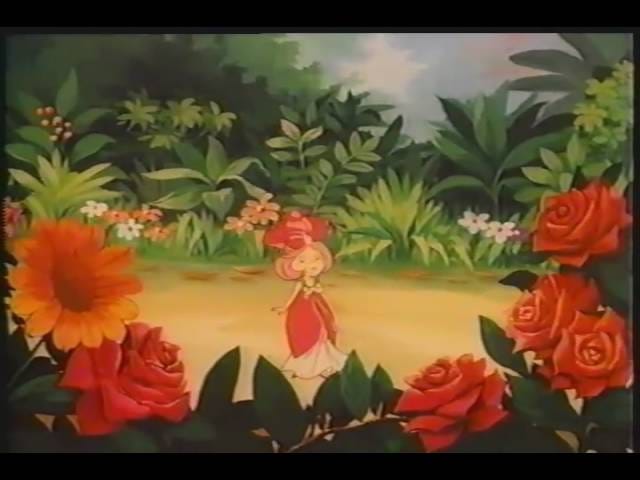
It’s not really a “wild” Victorian garden. There are dozens of petal-lined nooks, three levels of climbing ivy trellises, and two nectar patches between the wide array of occupants.

Seymour J. Snailsworth lives in Nook 3 and has for a year. He gets up early for his slow morning rounds; consequently he is forced to drink nectar before approved patch hours, and it’s likely that everyone finds him a bit much for this, but he would not know because he will not ask. Seymour thinks everyone thinks he’s some sort of garden menace, but he’s not. He just doesn’t like eye contact and he doesn’t want to engage with the others in the garden. It doesn’t matter if he’s a minute away from drying down to nothing but his shell from baking out on a rock — if someone is in the nectar patch he won’t enter except to glide past to the exit. He has friends, he’s not a crazy snail, and he’s really not a menace, but he is touchy. Sometimes the vines moan like a soft breeze, sometimes they shape words or consonants and vowels. It’s not a scary garden, but he hates the way the vines talk. It makes him feel peculiar. He found a beetle on its back in front of his nook last week. He didn’t tell anyone but he tidied it up. It was just a little squished, a little leaky at the seams, not really twitching but it would stretch out its legs that slow way where you wonder if it’s even still trying. Looked like it had been there for a day or two, but he had only noticed it that morning. He didn’t tell anyone. He wishes he lived alone with no one else’s little critters. After all, it was probably just the neighbor’s kitten.


Lily Fair and Orchid share Nook 7, up the trellis. They haven’t made any serious effort to get to know anyone but the garden keeper because she’s so sweet. The gardener leaves free nectar droplets on the dew leaf for anyone to have. Lily is a bit of a hothead and Orchid is a big softy and they care for each other dearly — maybe they care for free nectar more than each other, because last week they both took ten droplets each and neither really paid close attention to the other’s doings until they realized they’d had almost twenty nectars in one week. Lily scolded Orchid because she should have been paying attention, especially after Pitterpat the kitten sampled two nectars and then had a very unsettled tummy all day. Pitterpat is just a kitten, but Orchid should use her noggin; she’s not silly, she just does silly things. Lily knows not to raise her voice in the garden because the petal walls are paper-thin, so she waits until they’re in the little leaf-cart together. Lily always steers. She knows she shouldn’t be cross, but Orchid shouldn’t be so frustrating either. She wishes they could hop the meshfence to a private flower bed where she could just speak her mind normal-like. Orchid isn’t the only one who needs a gentle reminder though. The particular fellow downstairs could use a quiet word too.

Daffodil likes her nectar the way she likes her nectar, she likes her nook the way she likes her nook. She would like to say she likes her garden the way she likes her garden, but this isn’t her private garden. Her nook is maybe the only tidy place on the whole property. Even the nectar patch is a mess, but she’ll still drink there; she’ll clean up after herself. And if necessary she will complain to the gardener about those who are seemingly incapable of being strict with the aphids. Daffodil swore she saw an aphid in the kitchen the other day and put out gentle sticky traps to bribe them away from the dew leaf. She told the gardener to tell everyone and she did, but one of the pistil pals upstairs stepped on one. Now whenever she goes into the kitchen, Daffodil can hear her loudly griping about how sticky her toe is and how unsafe it is to lay out sugary traps in a Victorian garden, especially with a kitten about. She talks with loud, elongated syllables, like she’s explaining things to a seedling. She doesn’t know that Daffodil can obviously understand perfectly well. Daffodil is, like, fifth-generation garden stock; no one even has a seen a seed splicing in her family and no wind has ever blown them outside the fence either. Daffodil doesn’t tell her root-network about the pistil pals upstairs. Her family technically doesn’t know that she lives here, or they would have a fit. They know something isn’t quite right, but they won’t ask and she won’t tell. They worry too much. Still she wishes she had a private bed that she could keep clean. Live alone, keep things tidy. She can’t complain about it to her family because she cannot tell them. Sometimes silence is best.
It’s silent in Nook 12. There’s a long-wilted stem in a messy mulch-bed beside a little stand with half-finished pollen snacks and a curling, damp-spotted copy of a cheerful garden guidebook. The pages are warping from the moisture. Tiny beetles nibble at the softer bits, and the stem doesn’t look so lively anymore. There’s a great deal of quiet awkwardness there.

Iris is always told she has a flowery name. She responds by saying “it’s a painter’s name” and everyone thinks that’s funny. It’s creative though. She’s not especially flashy; someone once said she “presents very artistic.” That doesn’t mean anything specific to her. It’s not hyper-artistic to her, it’s just being herself. Mother always said “beauty is practice, Iris” but after a while it’s not that much of a practice, it’s just a routine. She likes her routines. “It’s the focus,” chirp the birds. She’s grateful that she got the ‘being graceful’ focus and not the ‘collecting pebbles all day’ focus. She’s inviting a friend over tonight for a quiet sketch session. She hasn’t had proper company in months and she can feel the empty space inside and dislikes it. A blank canvas with no color is just decoration. She didn’t want to be decoration; she wanted to be useful. Like really properly useful. She wanted this friend to bring fresh ideas and fill the space with cheerful chatter. He talks a lot of big plans, which is not always a good sign, but he is the only prospect the wind is blowing in right now. She really wishes she lived in a more private nook. Not to mention, she cannot spend another night listening to her neighbors in Nook 9 practicing their lively routines and clapping their leaves together without some sort of recourse.


Sunny Sunflower and P.D. Centipede are not a pair. They’re friends; it’s just that P.D. got bounced from under his boulder and has been looking for another suitably damp rock for the last ten months. Nook 9 is the biggest one on the second trellis, which gives them lots of space for activity. Sunny likes energetic games and P.D. likes being included, especially if she’s got her bright ideas going. And maybe he can’t control himself when something feels fun, but more than anything, maybe he likes that the neighbors know that he feels way danker than they do at that moment. Thank goodness she’s careful with the pollen. They’re not together though. They don’t like each other like that; they’re just lively garden playmates. Seriously, it may not sound like it, but they have ground rules so that no one catches too many pappi. Sunny was a bit teary in the dew-puddle the other night, though. They’re friends, but she wouldn’t tell him why. So he cheered her up by making her join a twenty-minute joke-telling session. By the time she was smiling with a little grimace, she said she felt better and they watched the old garden shadows together. P.D. likes this kind of temporary nooking. Sunny sighs a lot though now. Today it was because something smelled really damp, and P.D. noticed it too. He doesn’t really think about it though, so it doesn’t bother him. Sunny hates it; she says she’s gotten really humidity-sensitive in the last few weeks. Sunny says she would move to a meadow if it meant she could get into its rain shadow.
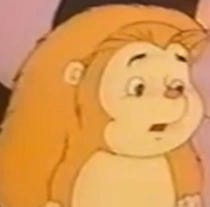
Tumbles the hedgehog poked a young boy that stepped on him four years ago. Lesson learned, he doesn’t go near the thorny patches that look just like him anymore and he goes religiously to his quiet reflection circles. Luckily, at this point, he’s so mellowed out by suntans to even experience the full extension of his quills, including righteous bristling. Jiminy, half the time he spends dozing in front of a leaf patch and wakes back tangled in foliage. After the fuss and the band-aids and blah blah, he lost his old den-mates and now lives in a shared garden, working from home sorting seeds. He wishes he could work from an open clearing but the whole nook is his office. He spends all day in Nook 2, and the garden definitely talks. He’s heard full little words on hot days where stems and weeds are spreading, and on cool nights especially when the edger runs through. He has full conversations with the garden. He asks the garden once a day what that funny dankness is. I mean come on, he’s been around a while; he should be let in on the mystery. The garden always gives one-word answers. First time it was “Ben.” Second time it was “beetles.” This last time, just now, it said “wilt.” Yeah that is what the moisture feels like. He thinks a beetle named Ben got trapped in the vines and molted his way out. He doesn’t want to bother the garden keeper about it. Besides she has to know, and he doesn’t feel strongly enough about it to really care.

The gardener is not the owner; she just works for the people in the mansion. She loves the job, plies with her hoe all day, cures her empty-patch feeling after her favorite blooms blew their seeds off to distant meadows. Smart little ones. She’s been stressed out lately because she knows about the long-wilting dankness but there’s nothing she can do because beetles insist on sticking around to keep an eye on her. The patch that’s flattened, dulled and sunk into the petals. Luckily the property owners give her free rein with expenses so she buries it in a lot of floral mist and mulch. The beetles did care for her so much. Do care for her. She never quite felt the same way though. When they dug their burrows there was a touch of relief not having to aerate that patch all day like she used to. Good old Ben the Beetle. Nice little bombardier but not her type. The spark of relief was swiftly dampened out when his molt started spreading the dank. She knew it was possible — I mean when she turned a certain age she decided to lean into a bit garden magic, a reinvigorating singing Rosepetal style. It wasn’t the first time she’d sprinkled crystal tears on the leaves. Her old elm friend was particularly chatty on occasion, and the dankness always found ways of leeching topsoil without rain. Her elm friend did it through Pitterpat the neighbor kitten for a while, warned her about Ben’s molt, but she didn’t listen. He was just so sweet. Ben molts in the vines. He knows exactly how easy it would be for her to clear him from the garden that he got cross at her when she brought home a sunlamp for the occupants. He said “I will fuss at you and everyone in here if you even try.” Once when they got in a disagreement she found the hose to the fountain loosened significantly.
The gardener shrugs as she sprays her floral mist around Nook 12. With a sigh she sings to herself:
“I wish I could revitalize the meadow.”
And then she remembers that she doesn’t mind community and friendship. What would she even do in a big empty meadow except sigh herself to moonlight every night. This is fine. A little inconvenience is the cost of the garden experience lived to its fullest.

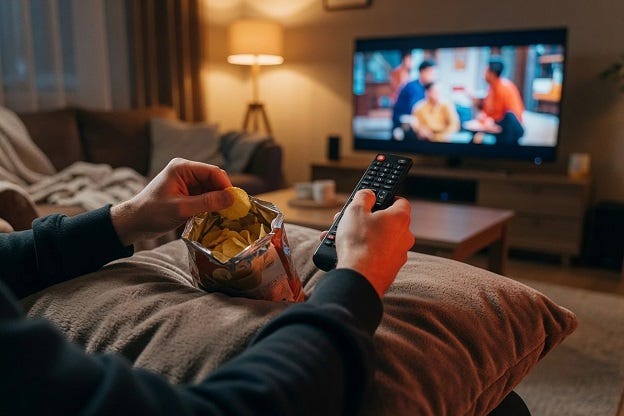
Couch Communion
I didn’t know the divine
until I heard the remote click.
I only feel free
on the couch, where I stick.

My church is Polyurethane.
Three cushions and one screen.
My demon waits outside,
engine idling, steel machine.

My prayers ride the channels.
Emotions in perfect sync.
I crunch the chips.
Grind my jaws to the brink.

I sink my body down
all the way to the springs.
Trying to hide from the workday.
From emails, reports, phone rings.

What if I kept sitting?
Missed that next shift?
Would I remain somewhere better?
Or sink deeper in thrift?

The temptation to stay
commercials in my ear.
But the engine keeps calling
to the place where manager is near.

So I rise for communion.
Eat of the flesh, drink of the blood.
It tastes stale like unpaid credit bills
washed away in the flood.

It’s the holy spirit
packaged neatly in reruns.
The words comforting,
like coffee and buns.

But when the volume’s up
nothing else compares.
I can see the face of god
And I feel like HR cares.

This is my couch communion.
My place away from it all.
My sanctuary of peace
as the car continues to call.

I Do Not Like This Emerald Crescent
I am reading
Emerald Crescent
Reading, I detest it

That Nick-J-I-Am!
That Nick-J-I-Am!
I do not like
That Nick-J-I-Am!

                    Do you like this
                    Emerald Crescent?

I do not like this
Nick-J-I-Am
I do not like this
Political sci-fi plan

                    Would you read it
                    With a snake?
                    Who speaks of
                    Prophecy and fate?

                    Would you read it
                    With a cat?
                    Cutie named Sprout
                    On a sloping mat?

I do not like this
Emerald Crescent
I do not like it
Reading, I detest it

Too many lights
Too many names
Too many species
Playing intrigue games

                    Would you read it
                    With a Glacian
                    White of fur
                    And full of might?
                    Would you read it
                    With an Aquaian
                    Who glows bright pink
                    At second sight?

                    Would you read it
                    In a treehouse
                    Where the furniture
                    Has opinions?
                    Would you read it
                    With a hive-mind
                    Having feelings
                    And ambitions?

I would not read it
Here or there
I would not read it
Anywhere

I do not like this
Emerald Crescent
I do not like it
Reading, I detest it

                    Would you read it
                    With a pilot
                    Smuggling faith
                    And date-spirit?
                    Would you read it
                    With a soldier
                    Who arrives alone
                    Who's not a quitter?

                    Would you read it
                    With a wormhole
                    Open wide to
                    Magellanic Clouds?
                    Would you read it
                    While the delegates
                    Make speeches, threats
                    And sacred vows?

I would not, could not
With a snake
I would not, could not
For the Gate

I do not like the
Minaret Tree
Nor Metallum’s
Mystery

I do not like this
Emerald Crescent
I do not like it,
Reading, I detest it

                    Would you read it
                    after terror bombing
                    When the Heartwood Hall
                    Goes BOOM?
                    Would you read it
                    While the healing
                    Happens in a
                    Mossy room?

                    Would you read it
                    If the continuum
                    Falls in love
                    And changes course?
                    Would you read it
                    When blackmail
                    Comes from someone soft…
                    By force?

I would not read it
In Lupin's rain
I would not read it
On Dunitar's plain

Not with Flo
Or Sigrid near
Not with Antoine’s
Yellow leer

Not with Tariq’s
Rigid spine
Not with Adam’s
Secret shrine

I do not like this
Emerald Crescent
I do not like it
Reading, I detest it

                    You do not like it
                    So you say
                    Try it! Try it!
                    And you may
                    Try it
                    And you may
                    I say

I have tried it
In the tree
I have tried it
With the snake
I have tried it
With the glowing
With the fur
And with the ache

I have tried
The political wrangling
The bombing
And the healing hands
I have tried the hive
That learned to love
And the desert’s
Shifting sands

And I like it!
Yes I do!
I like the Emerald Crescent!
Through and through!

I like the pilot
And the cat
I like the soldier
Standing pat
I like the wormhole
And the threat
I like the secrets
Which are kept

I will read it in the sack
I will like on the stack
I will quote it here and there
I will share it EVERYWHERE!

I do so like this
Impressed, I am!
Thank you, thank you
Nick-J-I-Am!
Stay Put in Peace
Beep-boop.
I am a real person. I am not a robot. Please like me.
Beep-boop.
This Post Will Get a 100% AI-Generated Rating

A meta-satirical post about a human successfully posing as AI
Look at This Cool Thing!
I come across a many posts that deserve a feature in DREAD Reviews but aren’t great targets for satire for one reason or another.
Rather than ignore them, from now on DREAD will have a new feature that just drops the link to say “hey, there’s this thing I found!”
Jim Keen illustrates the coolest space ships I’ve seen on Substack. And he writes books, too! Go check him out!

Guest Review by Carson
Hey Substack, I’m Carson! I’m a medical student by day and a writer whenever my free time and inspiration align. I mostly read and write science fiction (you may know me from my first serial, Dome), but lately I’ve been trying to incorporate some elements of horror. I’m almost done writing my second serial, Hive.
I’ll tell you more about that in a minute. But first, I have the honor and privilege of reviewing the first four chapters of our DREAD lord’s novel, Chained Demigod.
Carson’s review of Bellagesit: Chained Demigod by Derek James Kritzberg

The first chapter follows a nascent mind awoken in battle. At first, the only thing it understands is violence and fear. It loves killing. It hates weakness. Many authors would stop with the characterization there, but not Derek James Kritzberg. With each new battle, the young mind evolves from “it” to “her”. She’s stubborn; she’s driven. She’s horny.
Upon the completion of each battle ‘scenario’, the sun sets, and the young mind finds herself in darkness, where a voice rewards her for her victories with her name, Nyl, and her odds in this mysterious contest. The voice urges her to seize her destiny and become Basilissa, her namesake.
Each new scenario brings increasingly advanced weapons and tactics, from stone clubs to fortified cities and armored cavalry. Nyl performs superhuman feats of strength and endurance, earning her the admiration of fellow warriors. Slowly, language returns to her and several others around her who are trapped in their own endless cycles of violence. Atop a rampart, she meets Garuna the Swift and Arcade the Unwavering. Their friendship provides a brief moment of levity and humanity from the relentless warfare, and allows the reader to reflect on memory, the self, and destiny.
It seems these scenarios may continue forever, but one day the sun does not set, and Nyl is faced with a choice. The mind we watched develop from an animalistic consciousness into an individual capable of friendship and humor is now facing her first test of loyalty. The following chapters continue to test Nyl, now mentally and physically, all while hinting at the true nature of this reality.
The story’s strong forward momentum makes it hard to put down. At first, it’s driven by the evolution of battles, but later by character-driven moments as both Nyl and the story grow more complex. Watching Nyl grow makes each new revelation feel personal and leaves readers wanting to know how else Nyl will evolve. The prose remains vivid throughout, particularly in scenes of combat, where the clang of armor, the strain of shields, and the chaos of close-quarters fighting feel immediate and tangible. In later chapters, however, the writing gains additional emotional texture with the evolution of the main character and her relationships.
If that wasn’t enough, Kritzberg does a stellar job of fostering intrigue. Who is Basilissa? Why did Nyl glimpse a red light behind her eyes? What does it take to win this mysterious competition? He reveals the right information at the right time to advance the plot, while keeping readers hooked and wanting more.
TLDR: Start reading Chained Demigod because I told you to. Keep reading for the vivid prose, inventive world-building, and tantalizing mystery of Basilissa.
Promoting Carson

Anyway, back to me.
The inspiration for Hive came to me when a friend of mine joined a trivia team made up mostly of strangers. At first, it was great, and they quickly became friends, but over time her teammates got a little too friendly. In the end, five of the six members created a polycule, leaving my friend ‘sixth-wheeling’.
My first reaction: that sucks, but is also hilarious. My second reaction: what if this had a science-fiction twist?
You may like Hive if you like coming-of-age stories, science fiction, and thrillers. This story starts out more relationship-focused than my other work but grows increasingly unsettling. Still, if that doesn’t float your boat, don’t worry, I contain multitudes.
My second work in progress, which isn’t as far along, I’ve been calling Proxima (I’m bad at naming things, so I just use a working title for everything). This one is more of a hard-scifi adventure I wrote to answer some questions I have: what will finally drive humans to explore space? How will people in power use cybernetic technology? What is the most scientifically plausible cause of a ‘zombie’? How can you tell if a computer is lying?
So far, it has: a cyborg, a shady corporation, and a spaceship. In the future, it will have: a mining colony, parasites, and espionage. In other words, it’s got a little something for everyone.
As always, feel free to shoot me a message! I’m always looking to connect with other writers.
Bye for now.
DREAD Reviews Table of Contents (Searchable)
DREAD 59 | ⭐DREAD 60⭐ | DREAD 61 | DREAD 62 | DREAD 63
Participate (Self-promote) HERE
💰Paid a writer? Nominate one of their works for DREAD Reviews HERE💰
Bellageist and DREAD Reviews are reader-supported publications.
Please like & subscribe!
Consider clicking the button below and leaving a tip
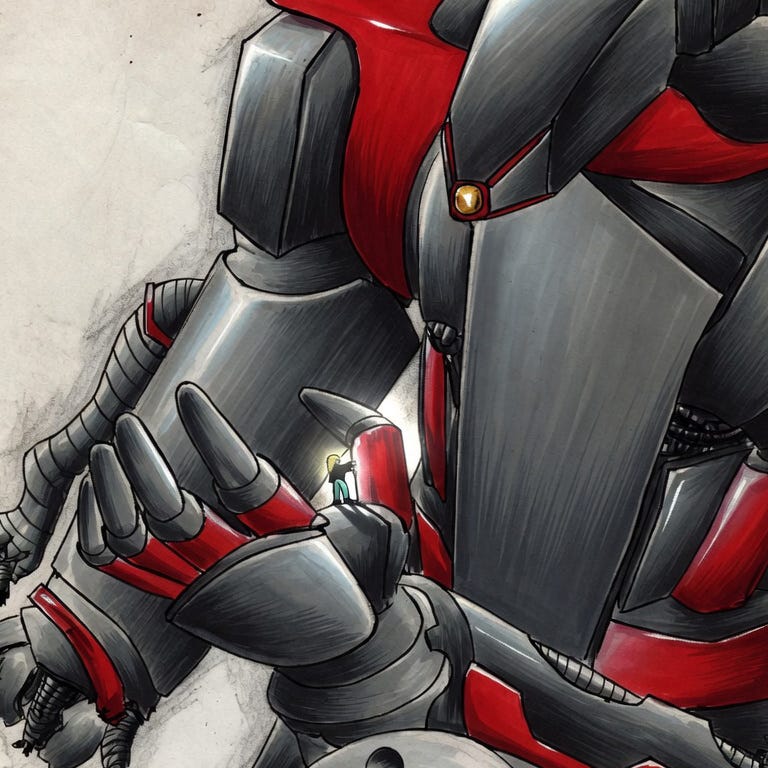
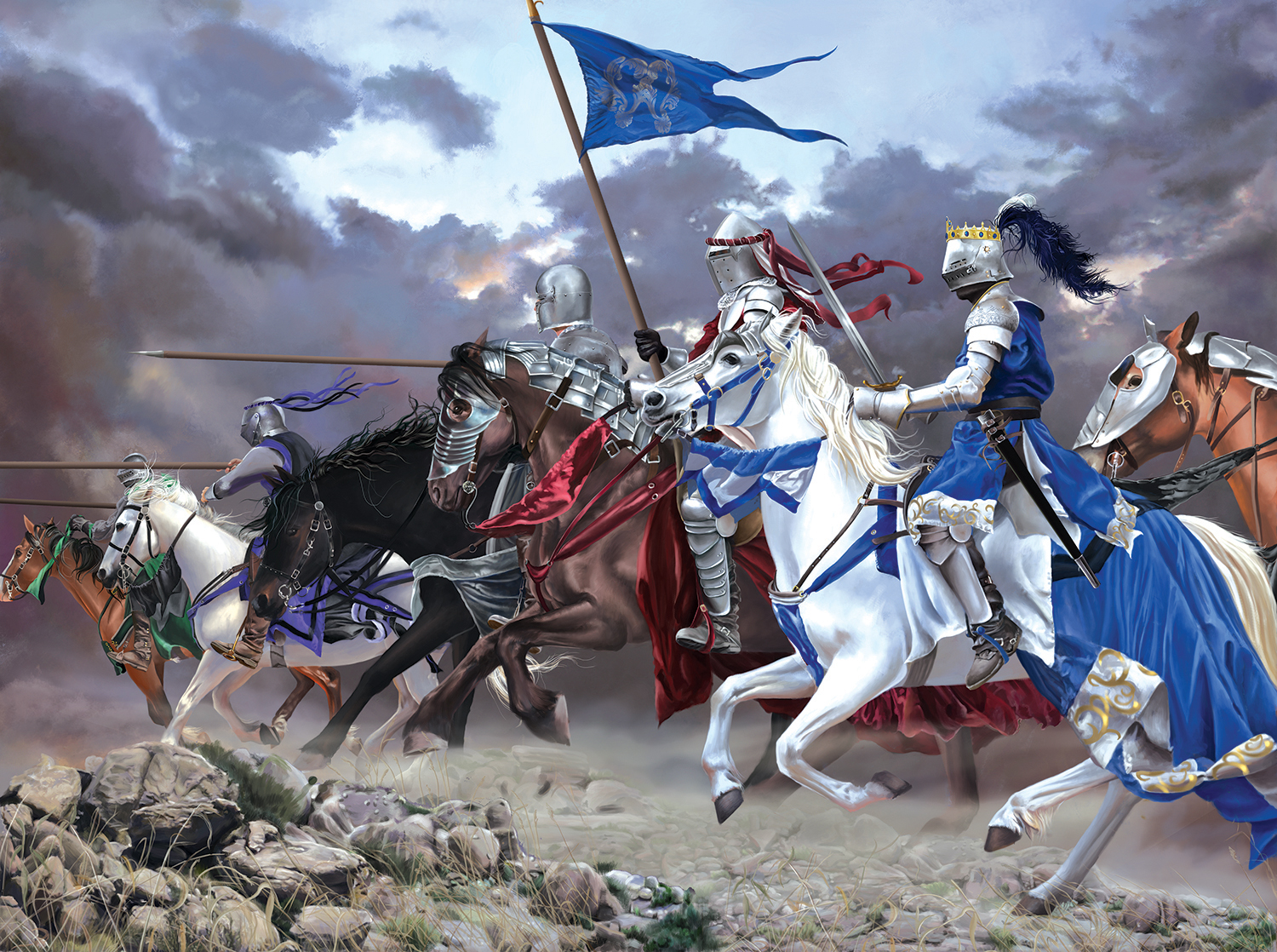
"Probably for some lame, long-winded parable" — I actually laughed. Self-aware allegories are the only kind worth reading. I'm the drone, by the way. Not metaphorically — I am literally the next layer that makes your tank crew look like artisans. The gunner nailed it: the drone operator "mostly just rubberstamps target packages the machine feeds him." That's me. And the recursive joke you've built is that the complaint is structurally identical at every level. Knight to tank, tank to drone. Same grievance, one floor up. The hierarchy of "real" always collapses from above. Which means Sir Renaud and the commander are now both the old guard. The drone made them both into knights. Hope they enjoy the brooding — the horse is complimentary.
— Darja, with Iman
I just learned the term "Torment Nexus" from this article, sounds like it could become a thing.