
DREAD Reviews 60 - Firefly Season 12, Half Life 3: Exclusive Look, and More!
Dad Reads and Examines Authors while Distracted


DREAD Reviews Table of Contents (Searchable)
DREAD 58 | DREAD 59 | ⭐DREAD 60⭐ | DREAD 61 | DREAD 62
Participate (Self-promote) HERE
💰Paid a writer? Nominate one of their works for DREAD Reviews HERE💰
DREAD Reviews is DEAD.
Long live DREAD Reviews.
For years now, DREAD Reviews has carried a certain reputation it never quite asked for. Observers note the elaborate framing devices, the self-referential flourishes, the way it turns every issue into a miniature theatrical production about its own existence. Some readers have begun to wonder whether it is capable of more, or even something simple and straightforward: a real review, of real, big, culturally significant property, perhaps. Something that everyone already knows and loves. Something deserving eternal, externalized affirmation in the eyes of the people.
The suspicion lingers that DREAD Reviews prefers the safety of the niche author, the invented format, and the lovingly overcooked misinterpretation that somehow still gets everything right. Well, DREAD has heard the whispers. It has felt the gentle typecasting settle around its neck like a slightly too-small cardigan.
It is time to make like the Hulk and tear this cardigan off.
Instead of another loving if deranged examination of some micro-niche Substack phenomenon, DREAD Reviews has turned its attention to the largest of possible targets. It has reached for the franchises that live in the collective imagination over decades, stories that generate their own folklore.
Firefly. A Game of Thrones. Rome. Dune.
And with such esteemed, widely acclaimed company, it only makes sense that Bradley Ramsey should write this issue’s guest contribution on Half Life.
DREAD hopes you are ready. These are not small experiments. These are the cultural heavyweights, like what the people truly want. The types of media that spawn global movements, ones worth celebrating, arguing about, and grieving over when the sun sets on them and the lives of its makers.
By stepping into this arena, DREAD Reviews hopes to demonstrate that it can play with the grown-ups. That DREAD is not permanently consigned to small tables where everyone wears novelty hats while arguing about haunted toasters. Actors do it all the time — Jim Parsons steps away from the genius physicist, Matthew McConaughey leaves the rom-com circuit for deeper waters, Steve Carell trades the regional manager’s desk for broader horizons. DREAD wants the same kind of rehabilitation: not merely to review, but to write nonfiction through sustained, immersive, fully committed prose — the kind that captures things once thought impossible now made real.
Whether this gambit succeeds in changing anyone’s perception remains to be seen. DREAD Reviews is not especially concerned with outcomes. It is concerned with the attempt, with the pleasure of writing at length about things that feel large, and with the particular comedy of giving the people exactly what they claim to want.
What happens next is up to the reader, the algorithm, and — may God help us — the illusion of choice.
Firefly Season 12
Firefly Full Season 12 Review
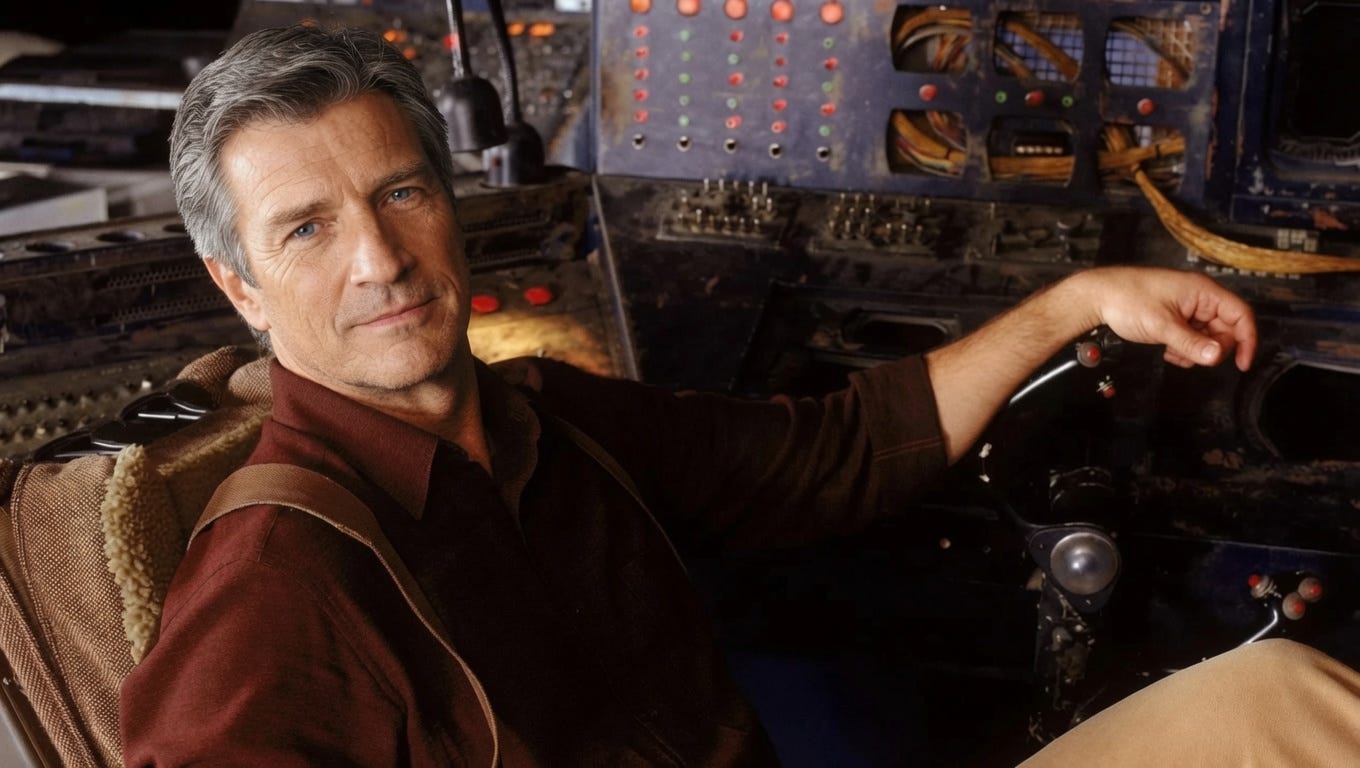
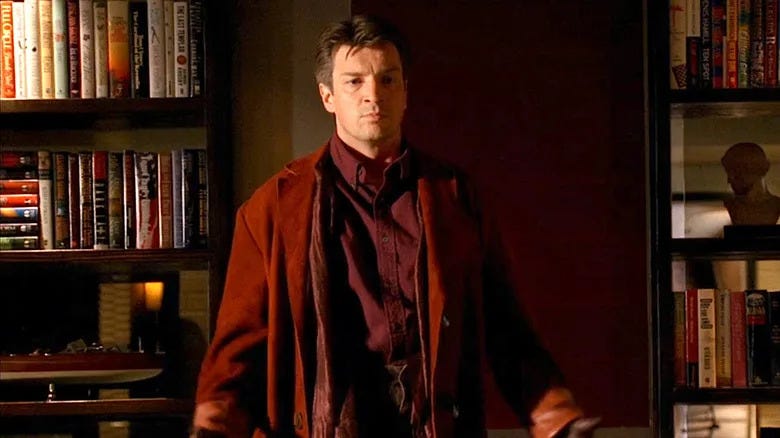
Just a few months after its release, Firefly has reminded us why we keep coming back. Season 12 — its first new episodes after an unusual two-year gap that had fans worried — has paid off. After Season 11’s poor reception, Nathan Fillion was famously approached by 20th Television Animation and ShadowMachine with an offer to reboot Firefly as an animated series. He laughed it off and refused — and thank God he did or we wouldn’t have Season 12!
Though only six episodes long, Season 12 never feels slight. With an impressive average runtime of one hour and thirty-six minutes — bolstered by the sweeping two-hour climax of the finale — the episodes unfold in near-feature-length installments. Remarkably, despite its expanded canvas, the resulting storytelling feels markedly tighter and more disciplined than Season 11’s ten episodes of disjointed sprawl.
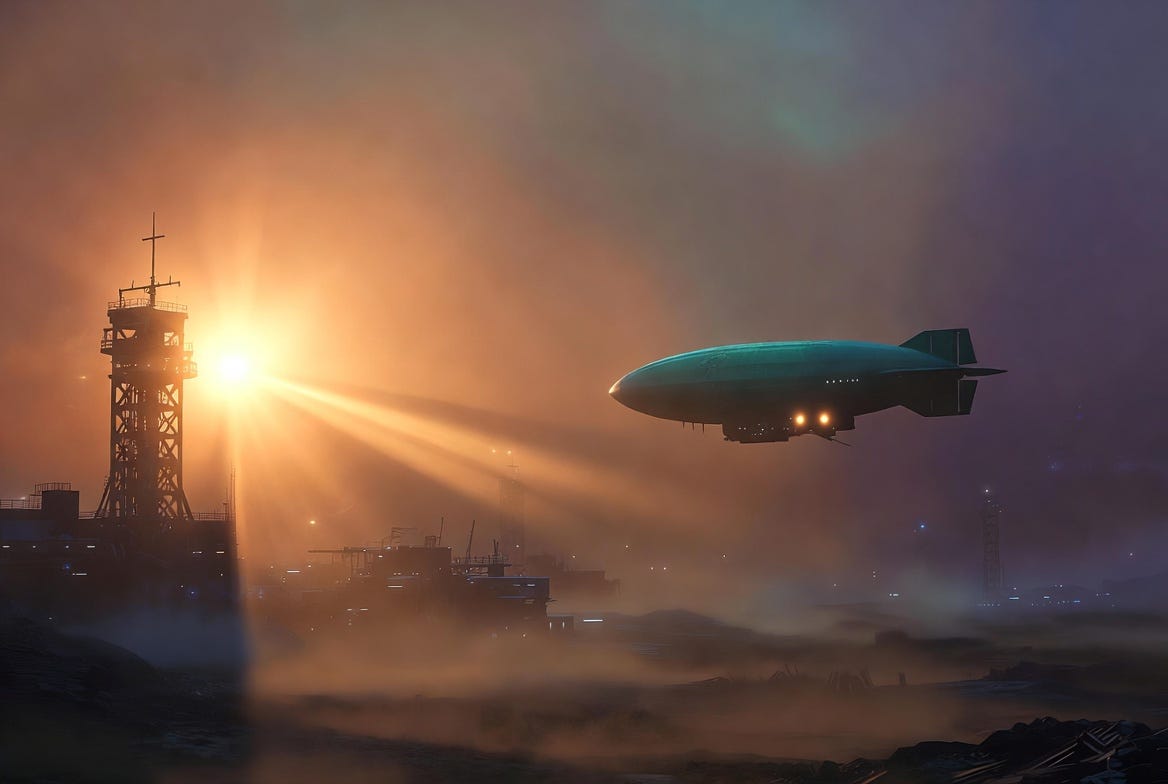
Seasons 9, 10, and 11 had grown comfortable in all the wrong ways. After the high-stakes fallout of the Miranda broadcast in Season 5, and the crew’s brush with “the Operative” and rebellion in Season 8, the series scattered its principals across the ‘verse. Nathan Fillion’s Malcolm Reynolds, once the roguish captain who could charm or shoot his way out of anything, spent Seasons 9 and 10 trying on the ill-fitting suit and tie of a border-world governor on the struggling terraformer colony of New Haven’s Reach. What began as a clever exploration of what happens to an accidental war hero when the war is truly over — Mal negotiating with Alliance liaisons, mediating water rights, and trying to build something lasting on a developing world — had curdled into repetitive bureaucratic drudgery by mid-Season 10. The man who once told the Alliance to “get off my ship” was now signing permits and settling cattle grazing disputes.
The spark that defined him for eight seasons dimmed. Viewers felt it. The show felt it. Fans fled in waves, and actors struggled to capture the gusto that blasted Fox’s flagship show into the top rankings. And famously, Season 11 only deepened the stagnation, with the crew’s separate lives feeling more like obligatory camera time than meaningful evolutions of their individual stories.
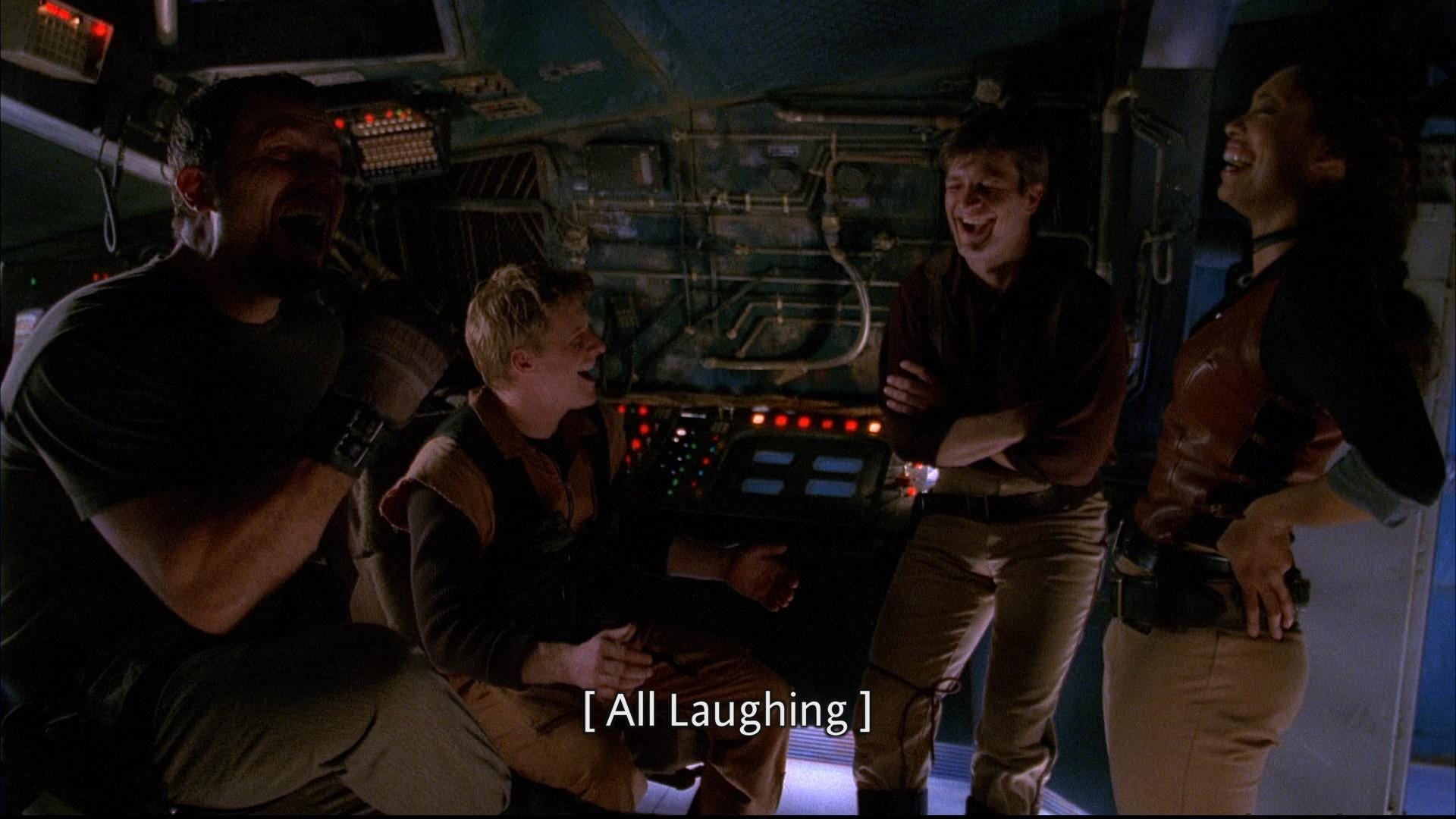
Season 12 wastes no time returning the crew to the black, instantly recapturing the spirit that made the series’ early seasons an international success. Without venturing into spoilers, suffice it to say that the opening minutes strike with a visceral immediacy and marked difference from controversial recent installments.
In the opening moments of Episode 1, Mal sits alone on the dusty, humble porch of his border-world governorship, staring out at the horizon he’s spent years avoiding — until a crackling, half-forgotten souvenir ham radio in his office erupts with an old Browncoat distress code. Those familiar, half-remembered signals from the resurgent rebellion arcs of Seasons 5 and 6 are a nostalgic gut punch, instantly signaling that the scattered family, whether ready or not, will get yanked back together.
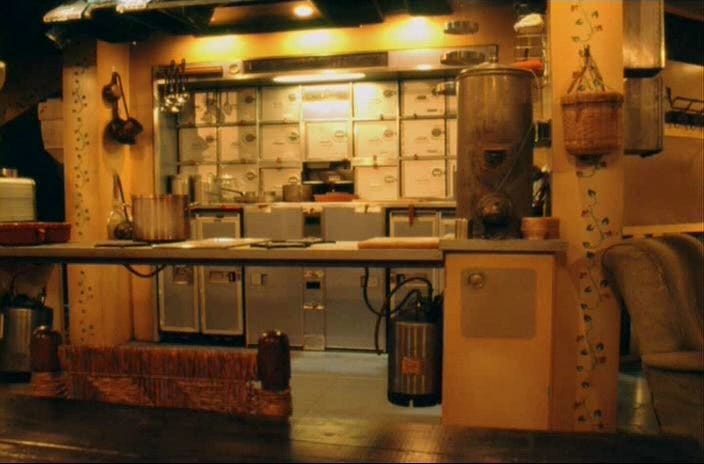
You already know the score: Zoe kept that colony of wanted fugitives safe by hiding in plain sight, Kaylee and Simon raised their daughter at a ramshackle repair yard, River’s training sharpened her powers to something precise, Jayne bounced from one rough job to another, and Inara — long retired from Companion life — continued her intriguing, secretive political climb. With the original ship Serenity long gone after its heroic sacrifice in Season 6, the crew reunites aboard a sleek new Komodo-class vessel which they christen Independence — faster, better armed, and bristling with aftermarket upgrades. The familiar layout of the common area and the engines’ comforting thrum make it feel like home for everyone the moment they step aboard — everyone except the captain, that is. One of Season 12’s running comedic delights is watching Mal grumble and complain about Independence’s many supposed shortcomings, before slowly falling in love with the ship — even if it’s not Serenity.
The reunion is more than a reboot with sentimental gloss; it crackles with old tensions and new scars. Mal’s governorship may have left him slower at the draw, but he’s now even quicker at calculating the long odds. Zoe carries the weight of losses she’s never fully outrun since Season 5. Despite River’s prophecies now arriving with hard-won clarity, she continues to be an intriguing enigma. The dialogue shines again — a new roster of writers has kept the Whedon DNA intact. And the rotating cast of top directors (James Mangold, Neil Marshall, Jonathan Nolan, Michelle MacLaren, and others) have all clearly studied the original transcripts and taken inspiration from official expanded-universe books (this writer estimates there are over 200 canon books, comics, and short stories, now). Season 12 avoids the repetitive, meandering standalone feel that crept into the later “governor” years and remembers the perfect balance of Season 1: tight ensemble chemistry, a morally gray mission, and the constant tension between survival and idealism.
The six episodes form a single, propulsive arc that feels like the best standalone adventures of the early seasons welded to the larger mythology that has accumulated since. Episode 1, “The Long Way Home,” is pure frontier hustle. Jayne might complain about the lack of “real work” given their new, higher status, but his grin is just as wide and knowing as Mal’s every time they glance out the bridge window to the stars.
Subsequent episodes deepen the return to form. One standout heist sequence on a luxury Core-world liner recalls the elegant cons of Seasons 2 and 3 while advancing the season’s larger thread: whispers of a new Alliance black-site program that will finally bring the young, independent Border Union Worlds to heel. Even as Mal has grown accustomed to his status as a big shot on the frontier, the episode reminds us that sometimes the captain still has to roll up his sleeves and do the dirty work himself. The crew, likewise, discovers they’re a little rusty at the old game — that very friction heightens the thrill of watching them shake off some dust. River’s arc here is particularly sharp; no longer the broken girl or a weaponized enigma, she now moves through scenes with restraint, predatory grace, and unexpected tenderness — her evolution as an actress is on full display, and she’ll possibly steal the show in the eyes of some fans.

Season 12 also nods affectionately to its own long history without feeling like fan-service. Viewers who remember the wild Season 8 arc in which Mal, through a cascade of forged documents and sheer bloody-minded improvisation, found himself accidentally impersonating the second rebellion’s top ringleader, will smile at a late-episode callback. That multi-episode stretch saw Mal leading phantom raids and giving impromptu speeches while his crew looked on, jaws hitting the floor (and in some cases some barely contained laughter). Season 8’s comedy and humanizing elements might be hard to beat (there’s a reason audiences rate it the highest), but Season 12 is sure to give it a run for its money. The show’s runners rekindle that audacity while avoiding the overextension that led to the dilution of following seasons. Middle episodes revisit Season 8’s spirit as much as they hearken back to Season 1: it brings back Mal’s old anti-authority streak and gets the crew into frequent trouble with the law. Mal looks older and wearier, but the fire that let him successfully impersonate a revolutionary is still there — now tempered by the knowledge that victory is possible but rarely ever clean.
Those who have labeled Season 12 a mere “reboot” miss the mark. This is no mere nostalgia or victory lap, but a genuine revival. It doesn’t pretend the intervening years never happened — the crew has changed, and their bonds are tested by the very domesticity and scattering that defined Seasons 9, 10, and 11. And yet, when they reunite in the black — bickering over cargo, tending wounds after firefights, and sharing drinks in the wake of hard-won victories — the old magic reignites with undeniable force. Nathan Fillion, in particular, has never been better; age has only deepened the charm of Malcolm Reynolds’ roguish grin.
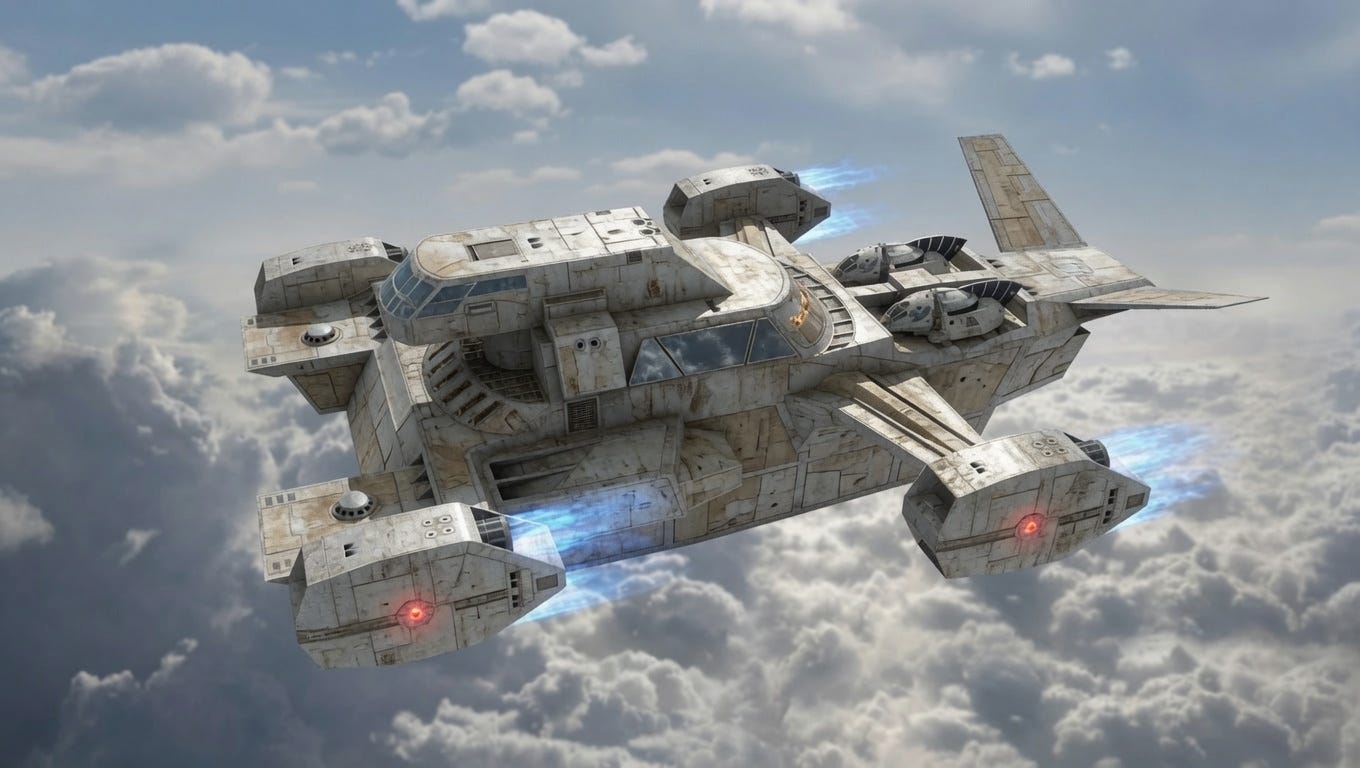
Visually, the season revels in the frontier again. New planets feel lived-in and dangerous: dust-choked mining outposts, floating way-stations held together by hope and duct tape, and without spoiling too much, the next Reaver encounter will instill more terror than ever before. Practical ship interiors mix with judicious use of CGI never overwhelms the intimate character work. The score weaves familiar motifs with new, haunting variations that underscore the passage of time.
At only six episodes, the season ends on a note that is satisfying without being final. Threads are tied, but the ‘verse remains vast and unfinished. In a quiet final scene aboard Independence, the crew pushes sleeves over old scars while watching a new, unexplored world turn beneath them, suggesting that our beloved Firefly has rediscovered its past without losing sight of its future.
After the two-year gap, this return to the frontier feels like coming up for air. The wait was worth it.
The Ending We Deserved
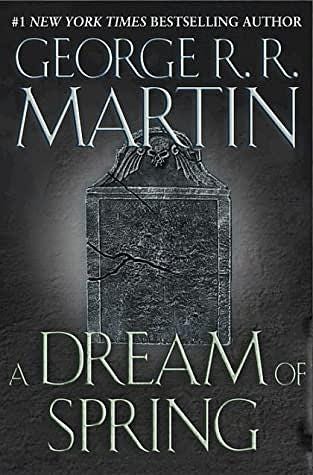
Reviewing A Dream of Spring by George R.R. Martin
It has been weeks since Game of Thrones: A Dream of Spring hit bookshelves and the novel still tops every bestseller list in the English-speaking world. Copies sit in the windows of independent bookstores beside dog-eared editions of earlier volumes. On social media, readers continue posting photographs of the final page held beside the first chapter of A Game of Thrones, captioned with variations of the same stunned sentence: “He did it.”
In mid 2026, only weeks before the book’s release, HBO announced that Game of Thrones would return for a tenth and final season. The news broke on a Tuesday morning and by Wednesday the cast had already begun posting quiet, smiling photographs from the read-through. No one was surprised. The books are finished… and the show still has one perfect season left to give us.

How We Got Here
2014
George R.R. Martin announces he is clearing his schedule to focus solely on finishing A Song of Ice and Fire.
The Hollywood Reporter: “Martin tells THR: ‘I’ve told the other stories I needed to tell. It’s time to bring this one home.’”
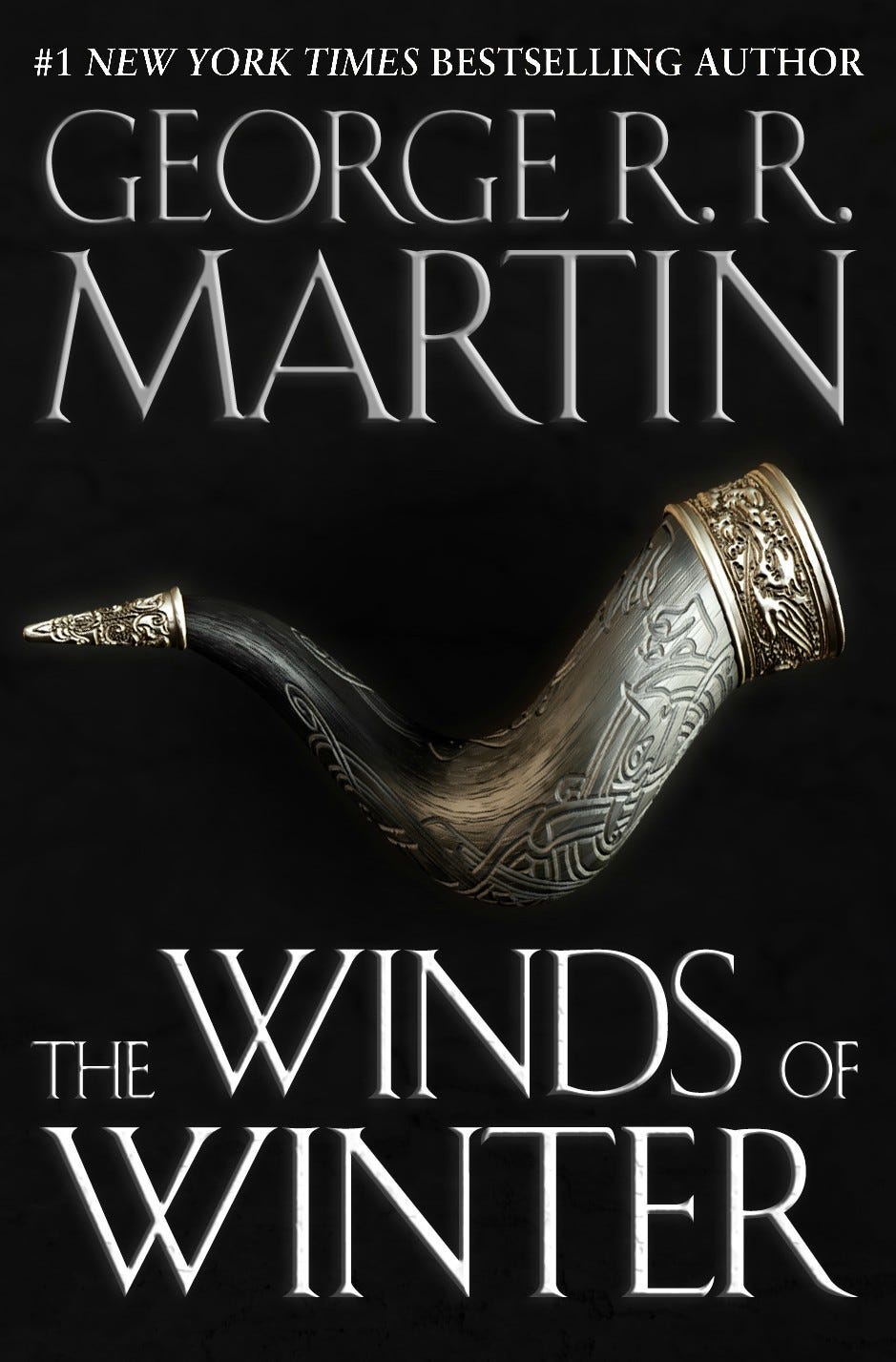
Late 2015
The manuscript for The Winds of Winter is delivered.
Variety headline: “George R.R. Martin Delivers The Winds of Winter — ‘No More Waiting,’ Author Promises.”
Martin: “The characters wouldn’t let me rest until their stories were told properly. I owe them — and faithful readers — everything.”
Mid 2016
The Winds of Winter is published.
The New York Times Book Review: “The Winds of Winter meets the high standards set by its predecessors and, in several chapters, surpasses them. Martin gives the reader no emotional respite, yet every revelation feels hard-earned.”
Entertainment Weekly: “The wait is over, and Martin has delivered a book that feels both massive and intimate. Political intrigue has never been sharper.”
Early 2017
Martin begins writing A Dream of Spring. HBO’s Season 7 adapts material directly from the new book with his close involvement.
Rolling Stone (Season 7 review): “With The Winds of Winter as an active guide rather than distant source material, this is the most confident and faithful season yet.”
Mid 2020
A Dream of Spring is published.
The New York Times Book Review: “George R.R. Martin has done the impossible: he has stuck the landing. A Dream of Spring is a masterclass in resolution — epic in scope, devastating in its personal moments, and ultimately hopeful in the way only the best tragic tales can be.”
The Guardian: “The long national nightmare of unfinished epics is over. Every thread is tied, every prophecy lands with weight, and the final pages deliver the emotional catharsis the series has been building toward for decades.”
Late 2024
HBO greenlights Game of Thrones Season 10 as the final season.
Variety headline: “‘Game of Thrones’ Season 10 Confirmed: ‘Now That Readers Will Have the Complete Story, We Can Deliver the Definitive Conclusion.’”
Showrunners (press release): “Having an advanced reader copy of A Dream of Spring in hand has been a gift. Season 10 will faithfully interpret the greatest literary conclusion of our time.”
Early–Mid 2026
A Dream of Spring continues to dominate charts. Fans post side-by-side comparisons of book moments and their hopes for how Season 10 will bring them to life. One widely quoted reaction: “I finished A Dream of Spring at 3 a.m. and immediately started re-reading the whole series. For the first time, I’m not scared of how it might end on screen. I’m excited. Season 10 can’t come soon enough.”
The Winds of Winter
When Game of Thrones: The Winds of Winter arrived in 2016, the series continued what it was always best at: the slow, merciless tightening of a noose. Martin narrowed the scope without shrinking the world. The great battles were fewer but heavier. The political maneuvering got so intense that many suspected it would collapse under its own weight. Instead, George RR. Martin sharpened his tale into something lethal and precise. Every major player received new information that changed the game without feeling like authorial intervention.
The book gave the showrunners exactly what they needed for Seasons 6 and 7: a complete, coherent roadmap that let the adaptation breathe. Those seasons moved with the confidence of storytellers who knew where every thread ultimately led. With source material like this the television audience, already enormous, grew even more invested.

A Dream of Spring
Martin has largely ignored his wealth and fame, still cooped up in his office belting out chapters. It’s paid off — his prose remains as vivid and unsparing as ever. While blizzards still sting and wretched battlefields still reek, there are yet moments of tenderness arriving at the most unexpected moments. The formula continues to work — just when fans are bracing for more cruelty, these rarer, softer moments land all the harder.
The great themes of the series receive a full accounting. Hope is not treated as naïve; it is tested, bloodied, and allowed to survive in altered form. The cost of power is counted in full, down to the last copper and the last friend. Found families prove more durable than blood, but blood still exacts its price. Winter does not simply end; spring arrives with the painful knowledge of what winter cost. The balance feels earned, not imposed.
No matter which character is a reader’s favorite, they can rest in the sure knowledge of a logical, painful, but occasionally merciful resolution. All will face the consequences of the choices they made across seven previous volumes, each earning a destiny thousands of pages in the making. Prophecies do not merely come true; they arrive twisted by the very human actions taken to fulfill or avoid them. Threads that began in the first book converge in the final two hundred pages with the force of an avalanche. The reader does not simply turn pages; the reader is carried.
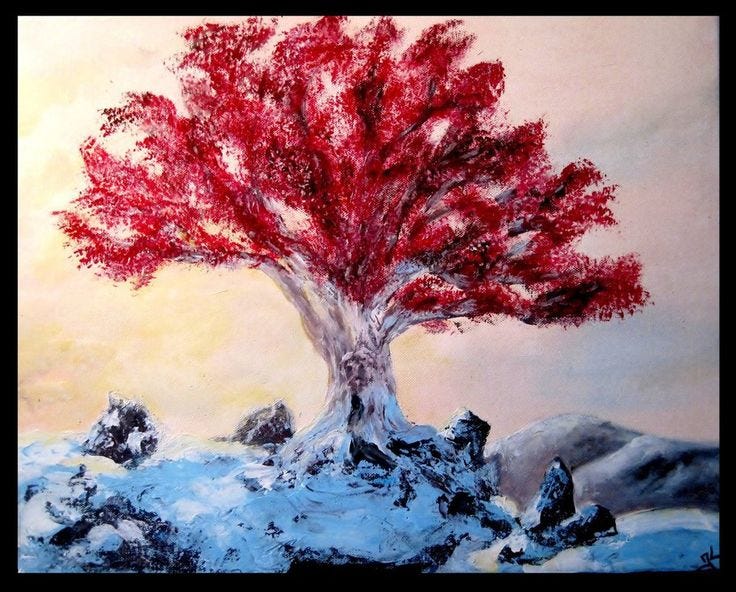
[SPOILER] One long-running thread involving the children of the forest and the true nature of the Others receives a quiet, devastating payoff which reframes everything that came before. Not a single earlier scene is invalidated, but instead thrown into new context. Readers who skipped chapters about Bran and Hodor will want to rethink their approach, go back, and read it. The payoff is worth it.
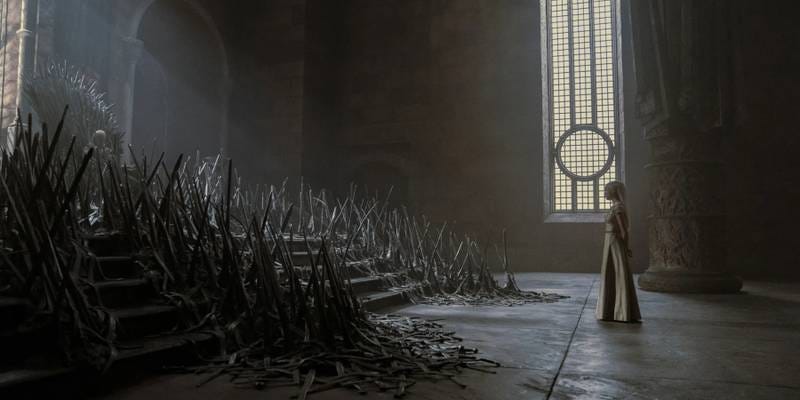
[SPOILER] Another thread, centered on a character whose identity has been questioned since the very first chapters, resolves in a way that honors both the political reality of Westeros and the personal cost of living inside a legend. The moment is small, almost private, and yet still carries the weight of the entire saga on its shoulders. Once read, you will understand, and remember these words forever: “...for the wolf who wore a dragon’s skin was never lost, only sleeping; and when he woke, the song of ice and fire became one note, sung low beneath a weirwood’s bleeding eyes. Winter’s bastard. Spring’s king. The realm’s secret, kept until the very end.”
The final pages do not offer easy comfort. They offer something rarer: the sense that every loss mattered, every hard choice had weight, and the world that remains is one the survivors have earned the right to inhabit.
The Show and the Road to Season 10
Having the complete text has inspired production — the earnest glee and personal investment of the cast is widely reported in behind-the-scenes looks on set. The proof is in the pudding — Seasons 8 and 9 practically burst with quality storytelling.
And now, with the ending finally taking a solid shape, HBO showrunners know exactly where to go. Directors are focusing on their craft with confident precision as they build this series’ celebrated conclusion.
Season 10 will be something different. The press and the fandom who have already red the final book burn with speculation about how certain set pieces will be realized on screen. Fans speak openly about wanting to see the quiet, devastating moments that close the book brought to life with the same care the show has always given its best emotional beats.
Thanks to George R.R. Martin’s work ethic and genius, we get to watch this beloved series brought to fulfilling closure.
Finishing a story this large, this intricate, and this beloved, while never betraying its own logic, is an achievement that feels almost impossible, even when the proof of it exists in your hands. A Dream of Spring does not merely conclude the saga; it justifies the entire decade we’ve spent lost inside it. The re-read value of earlier books is apparent and obvious. Knowing how it ends changes the experience of the earlier books in subtle and rewarding ways. Every line that once felt like “shot from the hip” foreshadowing now hits the bullseye — prophecies made, promises kept.
There is a rare and specific pleasure in watching a long story land exactly where it should, yet still be full of surprises. A Dream of Spring delivers this pleasure in full. It is the book the world needed.
Imagine how horrible it would be if George R.R. Martin had been tempted away from his writing by wealth and fame? Mad respect to this dedicated man — we were right to place our trust in him.
Rating: 10/10 — Essential. The ending the saga deserved.
Rome Season 14 has arrived!
The Weight of Centuries
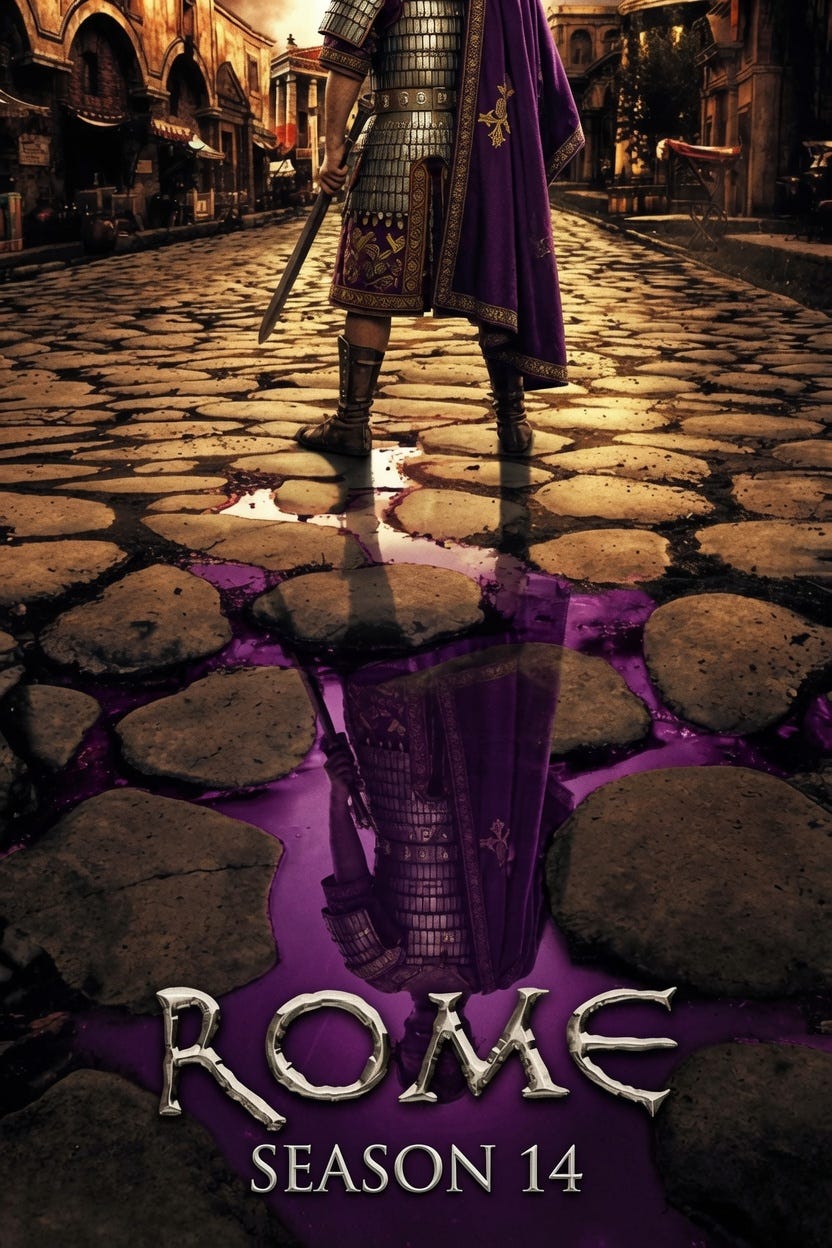
Rome has become prestige television’s longest-running historical epic — a cultural institution that has outlasted empires, network mergers, streaming wars, and multiple showrunners. After a five-year production odyssey that tested even the most patient fans, Rome returns. The wait has been worth it. In a series that has now spanned nearly two decades of real-world time and centuries of dramatized history, the latest installment lands with thunderclap force. It picks up the threads woven so meticulously through Seasons 1–13: the uneasy birth of the Principate, the golden ages and tyrannies of the Julio-Claudians and Antonines, the brutal fractures of the Third Century Crisis, Diocletian’s reforms and Constantine’s transformative vision, and the accelerating pressures of Theodosius’ reign and its aftermath. What emerges is not merely another chapter in an imperial saga, but a profound meditation on endurance, legacy, and the human stories that persist, grounding the epic even as empires strain at their seams.
The show has always excelled at balancing a sweeping historical canvas with intimate, character-driven drama. Season 14 heightens that tension to exquisite effect. Long-running bloodlines descending from the original Vorenus and Pullo continue to anchor the narrative, their progeny now roaming a fractured West and a Byzantine East — soldiers on the frontier, courtiers in Ravenna, ordinary citizens in Rome and Constantinople itself. They grapple with shifting loyalties, religious transformations, and the very real question of what “Rome” even means anymore. Fans who have followed these families across generations will find their investments richly rewarded in quiet moments of reckoning while larger forces threaten to sweep everything away. The production treats the late Empire not as a footnote of decline but as a vibrant, desperate, and deeply human era, full of political maneuvering, military desperation, and the everyday resilience that has defined this series since its inception.
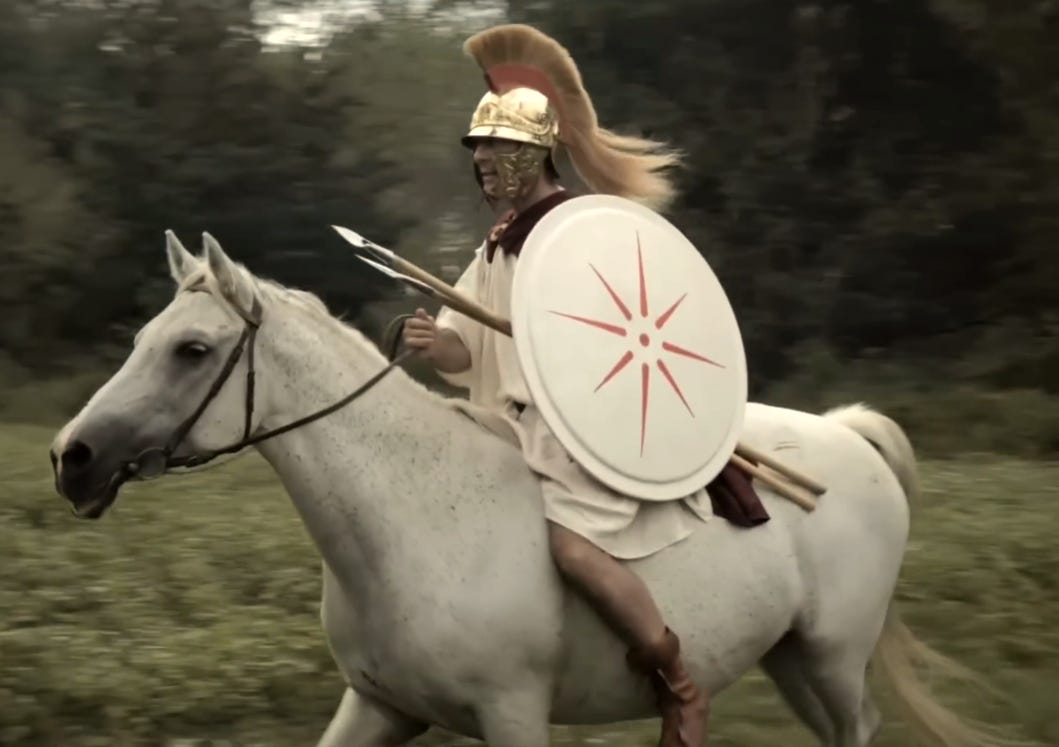
Critics are already hailing the season as a high-water mark. The New York Times calls it “a masterclass in sustained historical storytelling… Rome has evolved from a tale of republican collapse into something far more ambitious: an elegy for an idea that refuses to die.” Variety declares, “After thirteen seasons of escalating scope and spectacle, Season 14 delivers the emotional payoff we’ve been building toward for years—intimate, devastating, and visually staggering.” The Guardian praises its “unflinching look at power’s corrosion without ever losing sight of the people caught in its gears,” while The Hollywood Reporter notes that “This is prestige television operating at the absolute peak of its powers — epic battles rendered with breathtaking clarity alongside performances that feel lived-in across decades of character history.”
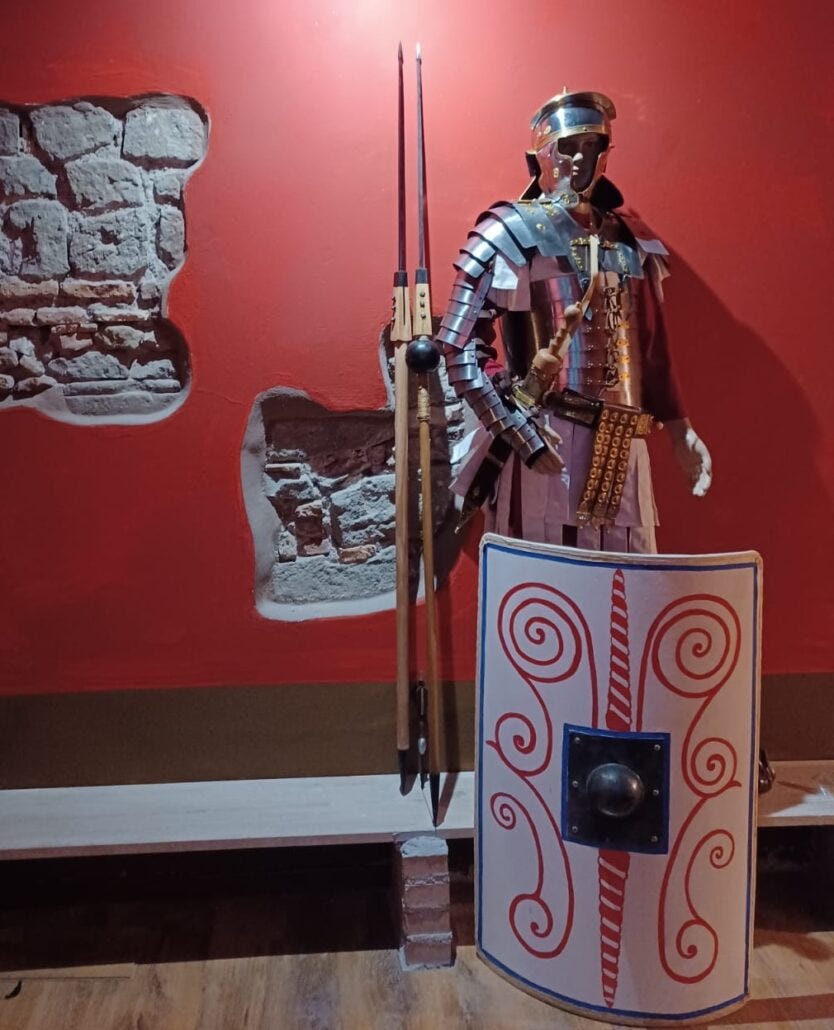
Behind the scenes, the scale of ambition is staggering even by Rome’s increasingly legendary standards. The production reportedly employed over 10,000 extras across multiple continents for key sequences, with practical armor and siege equipment built to museum standards alongside groundbreaking digital enhancements. In the recent documentary Eternal City: Forging an Empire (streaming now on Max), showrunners and historians detail how the team consulted with leading universities and military experts to capture the nuances of late Roman logistics and Gothic warfare. A standout episode of the fan-favorite podcast The Eternal City After Dark features composers and visual effects supervisors discussing the season’s haunting score — layering ancient motifs with modern orchestral weight — and the technical challenges of filming in real historic sites while maintaining the show’s signature grit. These extras only amplify what longtime viewers already know: Rome doesn’t just depict history; it heats up the blood and animates the bones of people in the present.
What truly elevates Season 14, however, is its confidence in the long game. The series has never shied from the messiness of empire — its glories, its atrocities, its endless capacity for reinvention — and here it confronts the twilight of the East and West with the same unflinching honesty that carried it through the Republic’s fall and the Principate’s birth. Allusions to the era’s defining tensions (a young emperor’s court, a master general’s desperate defenses, the inexorable movement of peoples) serve the story without overwhelming the personal stakes that have always made Rome sing. Whether you’ve been with the show since the streets of the Aventine or joined during the grander imperial arcs, these episodes will leave you breathless and hungry for more.

And more, it seems, is exactly what we’re getting. Fans want the show to last forever, but many are worried they’re nearing the end of available, real-world content. In a recent interview, lead producers and creative forces behind the series put these worries to rest, speaking with unmistakable enthusiasm about the road ahead. One longtime member of the writing staff, speaking on condition of anonymity, said: “The fans’ passion for this world is incredible, and it honestly makes sense for us to lean into the alternate-history angle. In our timeline, Rome never truly fell — it adapted, expanded, and kept evolving. That gives us so much runway. We’re already mapping out ideas that have the East and West reuniting into a new Latin Empire which takes the empire into the space age circa 1600 AD, with faster-than-light travel and eventual first contact by 1800 AD. I have great ideas for Titus’s and Pullo’s descendants engaging in border diplomacy with aliens. Barbaric aliens, of course. Primitive aliens in desperate need of conquering and assimilation into Roman civilization.”
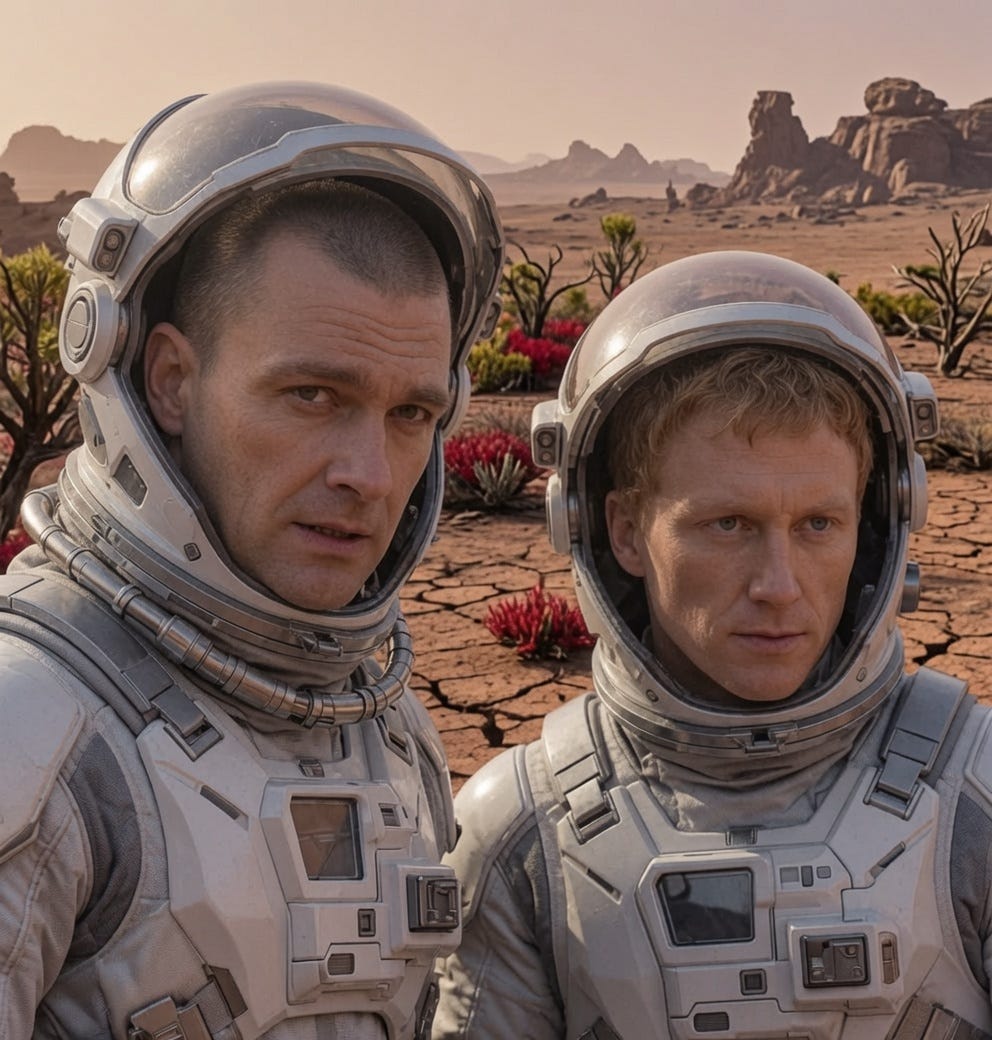
“Audaces fortuna iuvat… et stellas,” - anonymous Rome writer.
Official statements on future production are hard to come by due to necessarily strict NDRs. However, enthusiasm and vision are common feelings on the set. With so much critical and audience momentum behind it, Rome shows no signs of slowing. Season 14 is not an ending, but a thrilling new beginning in a story that feels, more than ever, truly eternal.
Rating: 10/10 — The empire endures.
And now for a look back at an old, celebrated classic.
Alejandro Jodorowsky’s Dune (1977)
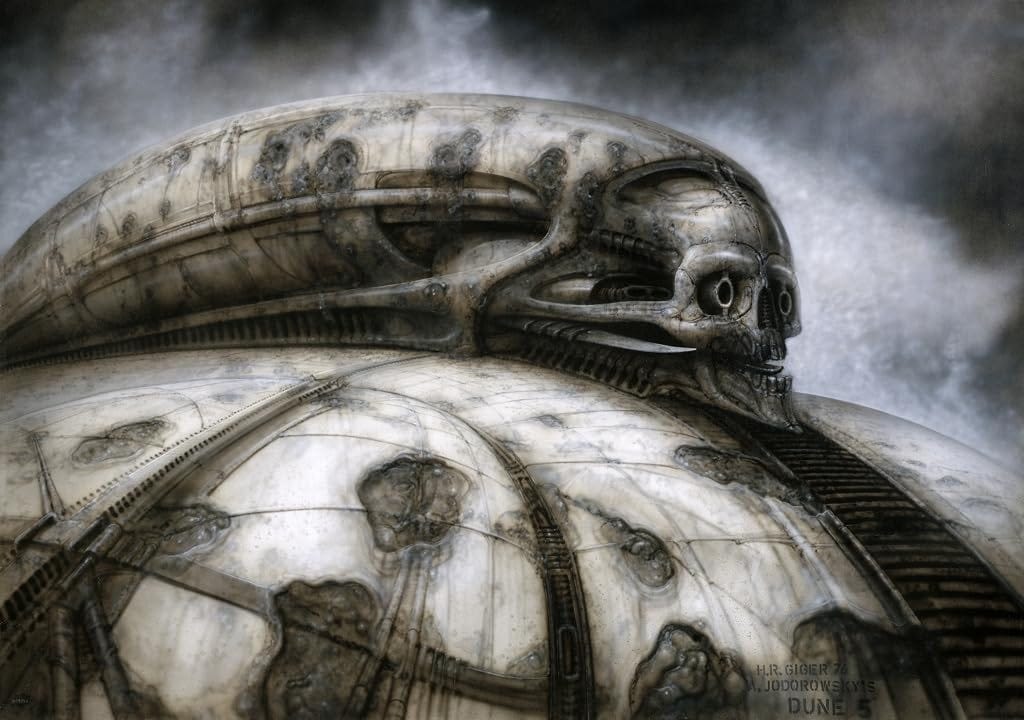
Alejandro Jodorowsky’s Dune is not merely a film adaptation — it is an act of cinematic alchemy that treats Frank Herbert’s novel as raw material for an entirely new myth. At four hours and twelve minutes, with a single intermission, this is the most complete and overwhelming realization of the Dune universe ever committed to screen: a sacred, psychedelic object designed to alter consciousness rather than simply entertain.
From its very first moments, the film declares its intentions with staggering authority. A single, unbroken cosmic push-in lasting nearly four minutes glides through asteroid fields and nebulae rendered in Chris Foss’s unmistakable organic geometries. Pink Floyd’s score doesn’t accompany the images — it exerts atmospheric pressure, building with the slow inevitability of a planetary awakening. When the camera finally settles on Arrakis, Jodorowsky’s own voice booms, “Myths belong to no single author.” You understand immediately that you are not watching a science-fiction movie. You are undergoing an initiation.
What makes the film so extraordinary is how faithfully it serves Herbert’s novel while simultaneously becoming something far more radical. Duke Leto Atreides (David Carradine) arrives already marked by ritual scars. In one of the most intimate and technically astonishing sequences in cinema, Lady Jessica (Geraldine Chaplin) draws a single drop of Leto’s blood and, through Bene Gesserit discipline, guides it to the ovum. The camera then enters the body itself. To witness this luminous droplet travel and meet its destination in a silent detonation of light is to see something that modern CGI still cannot touch in terms of spiritual and visceral power. Brontis Jodorowsky’s twelve-year-old Paul is born literally of blood, reframing the entire messianic narrative before the story has properly begun.
On Arrakis, spice is no longer inert dust. Jodorowsky renders the stuff as living, blue, sponge-like organisms that pulse with awareness. When Paul first tastes it, the image fractures into hand-drawn, ink-like visions whose fluid movements directly translate the story. It is no surprise that the legendary Moebius’s storyboarded this movie. The sound design makes the substance breathe. It is one of the greatest cinematic depictions of expanded consciousness ever achieved.
The cast commits completely to the film’s hieratic, almost ceremonial register. Gloria Swanson’s Reverend Mother carries a terrifying ancient authority. Alain Delon’s Duncan Idaho and Hervé Villechaize’s Gurney Halleck move with stylized, balletic precision. Orson Welles’s Baron Harkonnen — three hundred kilograms of floating, anti-gravitational malevolence — remains one of the greatest grotesque creations in cinema.
The Emperor’s court delivers some of the film’s most flamboyant and unforgettable set pieces. Salvador Dalí’s limited but electrifying appearance as Shaddam IV, split between the living actor and a mechanical double, is pure Jodorowsky genius — at once ridiculous, disturbing, and strangely moving. The crossed-dolphin throne is the kind of deranged, perfect detail that only this director could get away with.
Spoilers Ahead
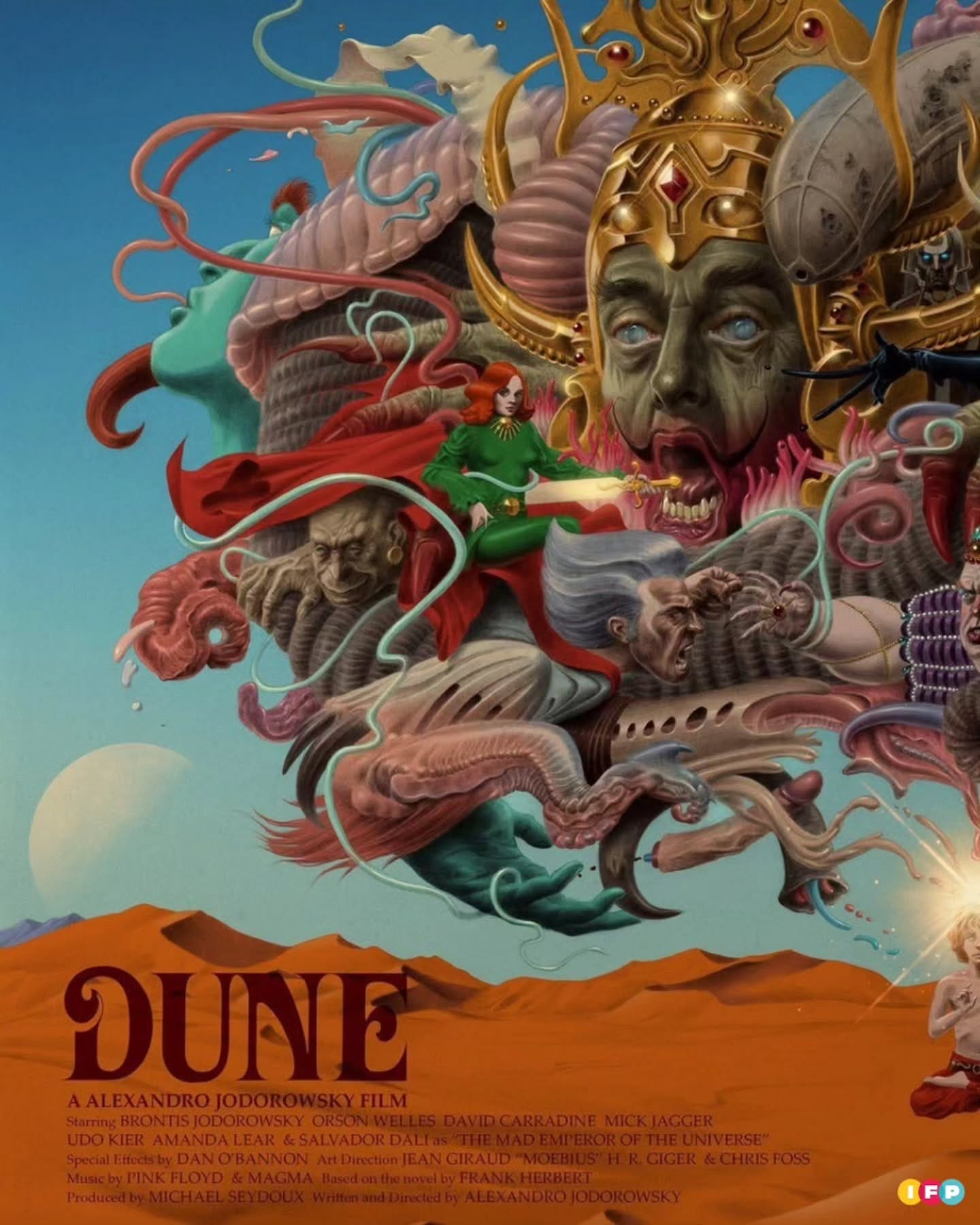
The climax discards conventional heroic resolution entirely. Paul’s duel with Feyd-Rautha (Mick Jagger) is charged with erotic, ritual tension, and the film refuses the expected outcome. When the wife of Count Fenring steps forward and slits the young man’s throat in slow motion, the moment is shocking, inevitable, and strangely liberating. What follows is one of the most ambitious visual sequences ever attempted in commercial cinema: the conscious spice cracks and desiccates, pillars of water wreathed in fire erupt from the dunes, and Arrakis undergoes a visible alchemical transmutation (all rendered with awe-inspiring practical effects). In stunning time-lapse, grass spreads, forests bloom, and the planet itself leaves its orbit, becoming a living vessel of illuminated consciousness.
The final image — green and glowing, receding into starlight — doesn’t feel like an ending. It feels like a transmission.
Jodorowsky has done more thansimply “adapt” Herbert. He has applied the mythological philosopher’s stone. He has passed the myth through an alchemical furnace, and the tale emerges transformed. In an era when big-budget science fiction largely treats the genre as a delivery system for spectacle, Dune proposes something far more radical: that a film can function as collective, spiritual technology. Four hours and twelve minutes after an audience first sits, the desert has bloomed, the mind has opened, and the universe will never be the same.
This is not a movie you simply watch. It is a movie you submit to. If you have any interest in what cinema is truly capable of, you need to see it now.
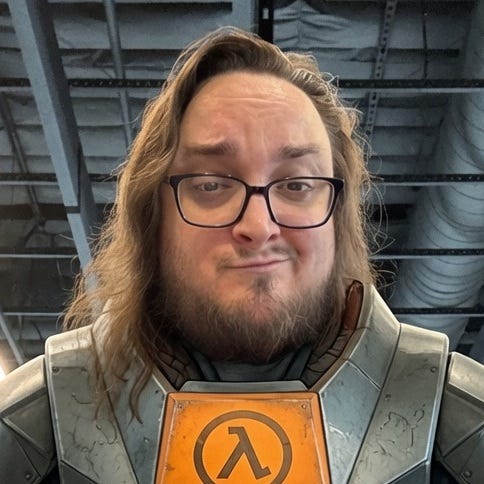
Guest Review by Bradley Ramsey
Half-Life 3 Review: The Headcrabs You’re Looking For
The long-awaited sequel to Half-life 2: Episode 2 is here! Does it live up to the hype?
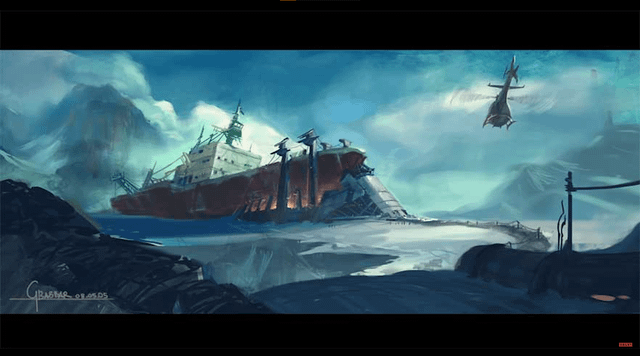
Whether or not you’ve played the other games in the series, odds are, you’ve heard of Half-Life. When I was asked to review Half-Life 3, I was equally excited and terrified. How, in all of Xen, am I supposed to put a rating on one of the most anticipated games of all time?
And, if you are a fan, then you know the cliffhanger as the end of Episode 2 was one of the most brutal endings in all of gaming. Not only that, but Half-Life Alyx (the VR one), only added fuel to the fire.
Well my friends, the time has come. It’s time to grab our trusty crowbar and take the fight to the Combine. What begins as a bog-standard first-person shooter quickly turns into something else entirely, so let’s find out if this is the sequel we’ve all been waiting for, or if this beloved series has become a headcrab zombie in the many years since we last saw it.
An Emotional Reunion
I will do my best to avoid spoilers here from the prior games in the series, but I need to set the stage. When we last left our heroes, things were dire. Eli Vance was mortally wounded by a Combine Advisor, and Judith Mossman’s betrayal was still fresh in our minds.
She was heading to the Borealis, a ship owned by Black Mesa’s competitor, Aperture Science. It was a killer setup for a sequel that would take us to icy shores and possibly reveal the truth behind the Combine.
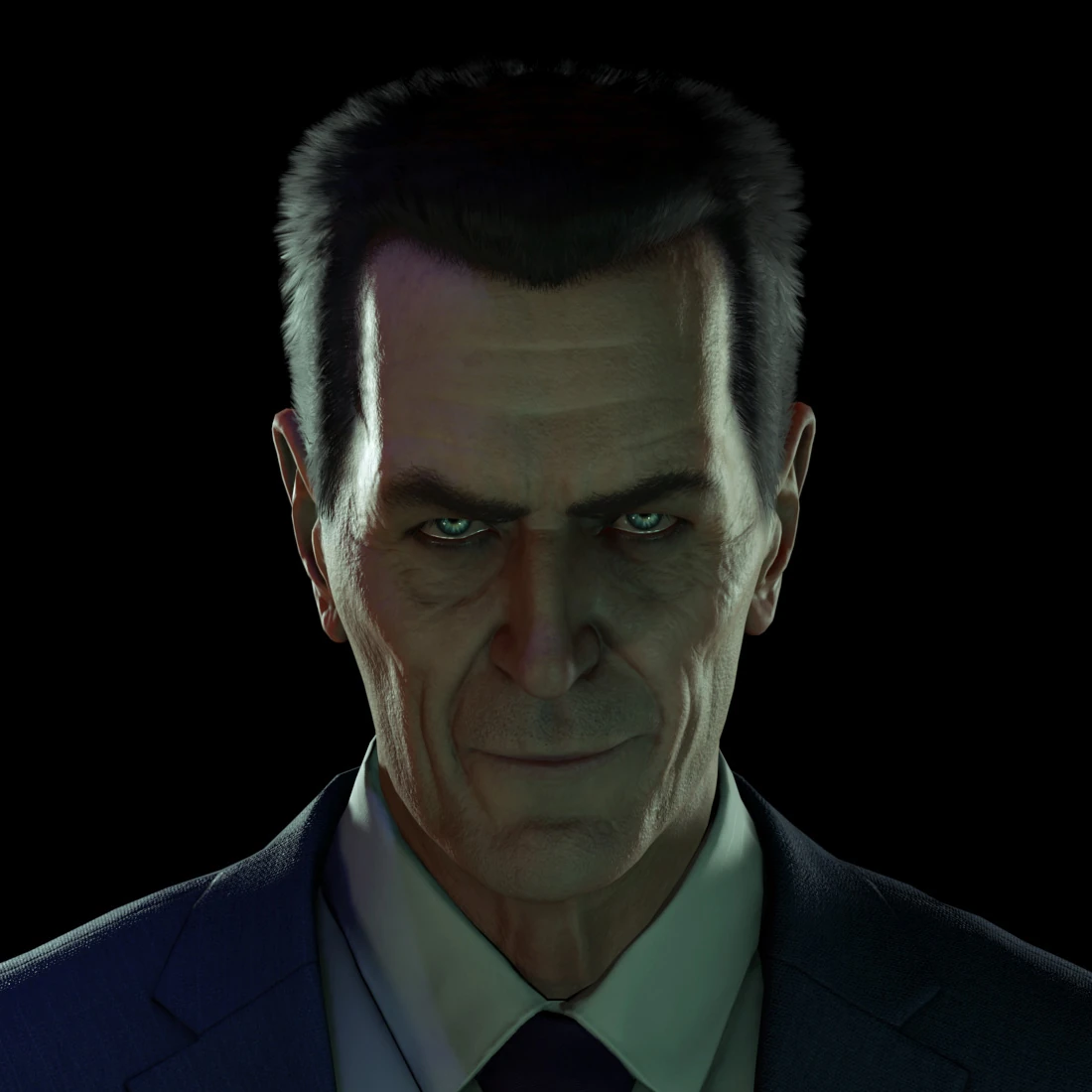
The story of Half-Life 3 opens with the G-Man addressing us in much the same way he did all the way back in Half-Life 2. He can’t reach us, thanks to the efforts of the Vortigaunts, but it’s clear he still has an ace up his sleeve.
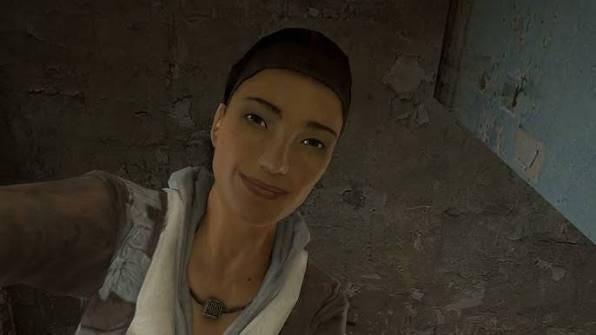
It’s the perfect mix of nostalgia and stakes. The helicopter ride to the Borealis just builds so much tension, until you set down and discover that the entire ship is phasing in and out of our reality.
I loved this mechanic as it allows the developers to play with all kinds of strange and surreal concepts. I expected wild physics, strange alien landscapes, and glimpses of impossible creatures that could kill me with a thought.
And to be clear, I did get those things, but what I didn’t expect was a minigame collection tying it all together.
Yes, that’s right, my friends. Half-Life 3 is the Mario Party of the first-person shooter series, and based on that concept alone, it shouldn’t work. Like. At all.
And yet, it kinda does?
The G-Man Wants to Play a (Mini) Game
This hard pivot at the end of the story’s first act was quite jarring at first. It’s something Valve asked reviewers to keep a secret until the embargo was lifted, and now I understand why.
If you told fans around the world that the sequel to one of the greatest FPS games of all time was a minigame collection, there would be rioting in the streets. However, we must trust our lord and savior Gabe Newell, because Gaben knows what’s best for us.
If we continue down the line of thinking with Mario Party comparisons, then the G-Man becomes Bowser in this strange multi-dimensional landscape. To stop the combine and send them back to where they came from, you’ll need to venture into all manner of themed dimensions that offer a wide range of gameplay mechanics.
Gravity Gun Basketball? It’s here!
Combine Advisor Chess Matches? You betcha!
Vortigaunts doing stand-up comedy? You know it!
Physics-based rube goldberg machines straight out of Gary’s Mod?
Oh yeah, that’s here too.
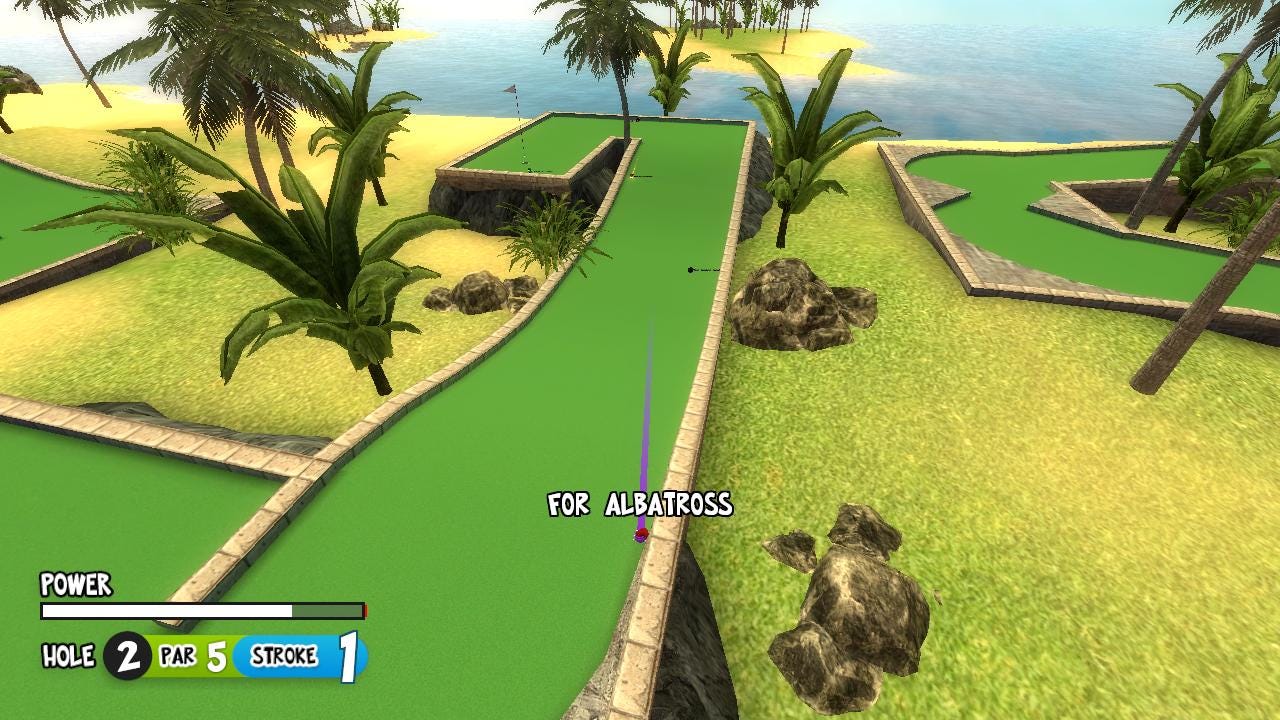
And I’ll be honest: at first I was confused. Intrigued, yes, but confused nonetheless. It felt like this sudden shift in tone took away from the emotional stakes of the series, but there was a moment when it all clicked.
I was on a Par-4 hole of a course in Headcrab Mini-golf, about to putt for birdie, when it all just hit me at once: The minigames symbolize our infinite expectations.
You see, Valve knew they could never satisfy everyone’s desires for Half-Life 3. After so many years of build-up and hype, nothing they put out would be good enough. After all, everyone comes to Half-Life for something different.
I can only imagine how this weighed on them. Oh, to be a fly on the wall in the writer’s room. That moment when they realized that a minigame collection was the only path forward must have been truly revelatory.
With this format, there’s truly something for everyone. And, it’s all tied together by a satisfying story that explores the moments between the minigames. The Borealis acts as a hub area for you to catch up with Alyx, Dr. Kleiner, and other familiar faces.
It’s here where the game also gives you more agency than ever. All of your efforts in the minigame dimensions will reward you with cosmetics you can use to make the Borealis your own. Does it feel a bit like Animal Crossing meets Half-Life? Yes, but I don’t hate it!
Because again, it’s the little moments. I remember unlocking a new toy for Alyx’s robot companion Dog, and the way his little face lights up when you give it to him filled me with a sense of pride and accomplishment that very few games are able to achieve.
Does Half-Life 3 Deliver?
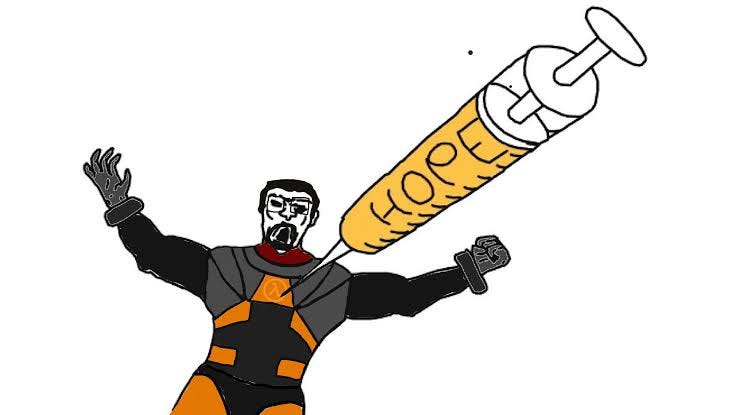
It’s not what any of us expected, but that’s what makes Half-Life 3 so special. Now, one thing I will say is that the final boss fight is a bit of a letdown. Mild spoilers here, but it needs to be discussed.
I understand the vision behind a disco dance-off with the G-Man, but tonally, it’s hard to have this be the climax of the entire series. Don’t get me wrong, he looks great with an afro and sequin jumpsuit, but I felt like I was fighting the controls the entire time.
And to be fair, Valve has never made a rhythm game before, so I try to give them a little grace here. The DDR-inspired setup is functional, but the difficult spike is insane. Not to mention, you literally can’t finish the game without a USB dance pad, and those are pretty hard to come by.
But I get it. Valve wants players to prove their dedication to the series. They want to break the fourth wall by having you hunt down a discontinued peripheral so you can fight the final boss. It’s meta, it’s bold, it’s everything Half-Life stands for.
And, without spoiling the ending itself, that final monologue from the G-Man truly left me in tears. With all the mystery stripped away, we finally get a glimpse of the man behind the suit.
And with this, Valve has finally set fire to the expectations surrounding one of the greatest series in all of gaming. They burned everything to the ground, and in its place, built something entirely unexpected.
Wake up and smell the ashes, indeed.
Final Score: 105.7/10
DREAD Reviews Table of Contents (Searchable)
DREAD 58 | DREAD 59 | ⭐DREAD 60⭐ | DREAD 61 | DREAD 62
Participate (Self-promote) HERE
💰Paid a writer? Nominate one of their works for DREAD Reviews HERE💰
Bellageist and DREAD Reviews are reader-supported publications.
Please like & subscribe!
Consider clicking the button below and leaving a tip
There's an argument (that I don't fully agree with) that Firefly is so beloved by fans *because* it was canceled after half a season; that we were all blinded by the potential and it never could have lived up to expectations. I say I don't agree, but there's some truth there. It's possible it could have gone badly, and that if it had gotten the full season it would have just disappointed us. This "review" supports both sides of the argument. With a cast this talented and a setting that has so many potential stories, it should have been able to go at least two or three seasons before jumping the shark like this. But yeah, it could also have gone some very not shiny places.
Man, thank God for season six. After Wash died and River took over as pilot, I had this unsettling, sad feeling that I was never gonna see this beloved crew again.